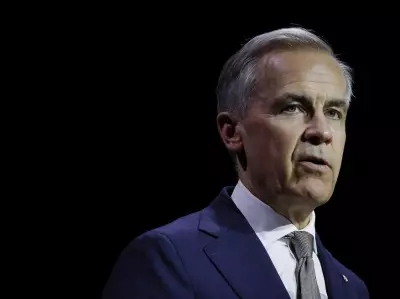
U.S. Senator Marco Rubio has announced plans to hold discussions with officials from Denmark next week, with a key focus on American interests in Greenland. The meeting, scheduled for the week of January 12, 2026, underscores the ongoing strategic importance Washington places on the vast Arctic island.
Geopolitical Significance of the Meeting
The planned dialogue between the senior American lawmaker and Danish representatives highlights the continued geopolitical focus on the Arctic region. Greenland, an autonomous territory within the Kingdom of Denmark, possesses significant natural resources and holds strategic value due to its location between North America and Europe. Rubio's engagement signals sustained U.S. attention on Arctic affairs and bilateral relations with Copenhagen regarding the island's future.
This is not the first time Greenland has been at the centre of U.S. foreign policy considerations. The territory's growing accessibility due to climate change and its mineral wealth have made it an area of increasing interest for several global powers, including the United States, Russia, and China.

Context and Strategic Interests
The announcement of the meeting follows a period of renewed diplomatic activity concerning the Arctic. The United States has historically maintained a keen interest in Greenland, notably exemplified by a previous administration's expressed interest in purchasing the island in 2019. While that proposal was swiftly dismissed by Denmark, it underscored the territory's perceived value.
American interests are multifaceted, encompassing national security, scientific research, and economic opportunities. Greenland's location is critical for early warning systems and maritime navigation. Furthermore, its untapped reserves of rare earth elements and other critical minerals are vital for modern technology and green energy solutions, making them a focal point of economic strategy.
The discussions next week are expected to cover a range of topics, including security cooperation, environmental research partnerships, and sustainable economic development in the region. Rubio's office has framed the talks as part of ongoing efforts to ensure stability and promote U.S. allies' interests in the High North.
Implications for Canada and Arctic Allies
While the meeting is bilateral between U.S. and Danish officials, its outcomes will be closely monitored in Ottawa. Canada, as a fellow Arctic nation and NATO ally, has its own sovereign interests in the region. Any significant shift in U.S. policy or engagement in Greenland could influence the broader balance of power and cooperation within the Arctic Council and other multilateral forums.
Experts suggest that transparent dialogue between the United States and Denmark is crucial for maintaining alliance cohesion and addressing shared challenges in the Arctic, such as climate change impacts and increased maritime activity. The meeting represents a routine but important element of diplomatic coordination among Arctic partners.
The outcome of Senator Rubio's consultations in Copenhagen will be awaited by policymakers and analysts focused on northern geopolitics. The talks are scheduled to take place against a backdrop of global competition for influence in the rapidly changing Arctic landscape.