

Rubio Advocates for Military Action Against Iran at G7 Meeting
In a high-stakes diplomatic maneuver, U.S. Senator Marco Rubio engaged with G7 diplomats to advocate for a more aggressive stance toward Iran, including potential military options. This effort comes in the wake of President Donald Trump's recent public criticisms of allied nations, which have strained international relations and created a contentious atmosphere at the gathering.
Trump's Comments Fuel Diplomatic Tensions
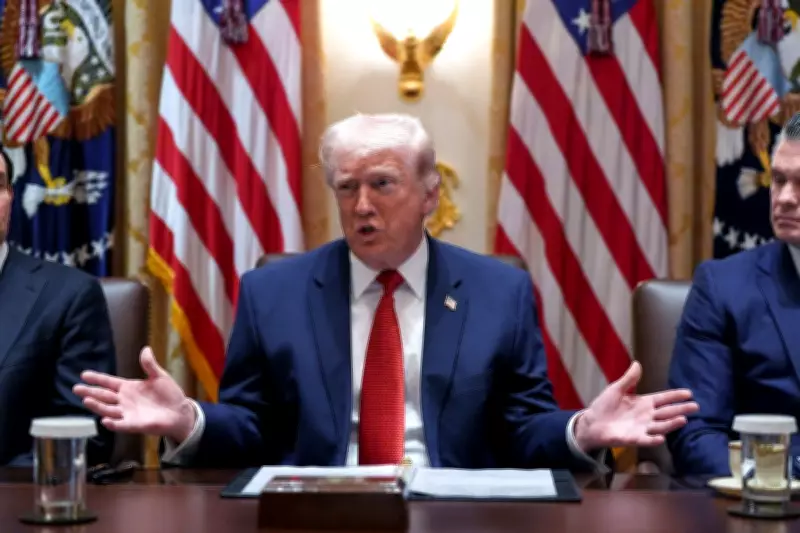
President Trump's remarks, delivered during a Cabinet meeting at the White House, targeted key allies, accusing them of insufficient support and unfair trade practices. These comments have reportedly left diplomats from countries like Germany, France, and Canada feeling alienated and skeptical of U.S. leadership on global issues.
The timing of Rubio's push is particularly sensitive, as it follows Trump's inflammatory statements, making it challenging to build consensus among the G7 members. Diplomatic sources indicate that many representatives are hesitant to endorse any escalation with Iran, fearing it could destabilize the region further.

Rubio's Argument for Confrontation
Senator Rubio, known for his hawkish foreign policy views, presented intelligence reports and strategic assessments to justify a tougher approach. He emphasized Iran's alleged support for militant groups and its nuclear ambitions as primary threats requiring immediate action.
However, his proposals were met with resistance from several diplomats who favor diplomatic and economic measures over military intervention. The divide highlights the growing rift within the G7, with the U.S. increasingly isolated in its confrontational posture.
Broader Implications for Global Stability
This episode underscores the fragile state of international alliances under the current U.S. administration. Experts warn that continued diplomatic friction could undermine collective efforts on issues like climate change, trade, and security, potentially leading to a more fragmented global order.
As discussions continue, the outcome of Rubio's lobbying efforts remains uncertain, but the incident has already intensified debates over the future of U.S. foreign policy and its impact on worldwide stability.






