

Poll: Two-Thirds of Canadians Advocate for Neutrality in Iran Conflict
A recent national poll has uncovered a significant sentiment among Canadians regarding the escalating conflict in Iran. According to the survey, conducted by Nanos Research, approximately two in three people, or 66%, believe that Canada should adopt a neutral position and refrain from taking sides in the ongoing war. This finding highlights a cautious public stance as international tensions rise following recent military actions.
Public Opinion Amidst Escalating Tensions
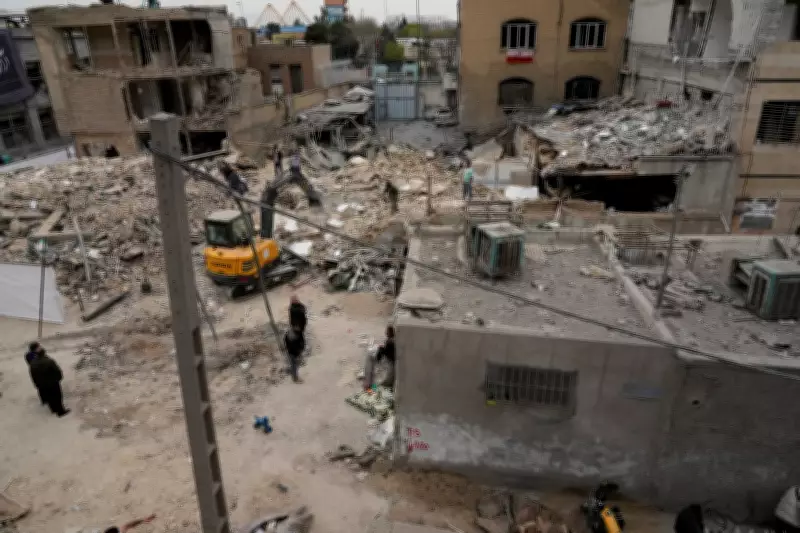
The poll results come in the wake of a U.S.-Israeli strike in Tehran on March 15, 2026, which targeted a police station and nearby residential areas, causing substantial damage. Images of destroyed buildings have circulated globally, underscoring the severity of the conflict. In this context, the majority of Canadians express a preference for neutrality, possibly reflecting concerns over entanglement in foreign disputes and a desire to prioritize domestic issues.
Key insights from the survey indicate that support for neutrality is consistent across various demographic groups, with minimal variation by age, region, or political affiliation. This suggests a broad-based consensus on avoiding direct involvement in the Iran war, which has seen increased volatility in recent weeks.

Implications for Canadian Foreign Policy
This public sentiment could influence the federal government's approach to foreign policy decisions. Historically, Canada has often aligned with allies like the United States in international conflicts, but the poll signals a potential shift in public appetite. Experts note that maintaining neutrality might involve diplomatic efforts to mediate or provide humanitarian aid, rather than military engagement, aligning with Canada's traditional role as a peacekeeper.
The findings also resonate with broader discussions on national security and economic stability, as conflicts abroad can impact global markets and immigration patterns. With record-high support for the Liberal government under Prime Minister Carney, as noted in other Nanos surveys, this issue may become a focal point in upcoming policy debates.
Comparative Context and Global Reactions
Internationally, other nations are grappling with similar dilemmas. For instance, Iran has requested to move its World Cup matches from the U.S. to Mexico, citing political tensions, though FIFA has maintained its original schedule. This mirrors the complex interplay between sports, politics, and public opinion that Canada is navigating.
In contrast, some Canadians may argue for a more proactive stance, citing alliances or moral obligations. However, the poll underscores a predominant view favoring caution, which could shape Canada's diplomatic strategies in the Middle East and beyond.
As the situation evolves, continued monitoring of public opinion will be crucial for policymakers. The call for neutrality reflects a pragmatic approach among Canadians, emphasizing stability and non-intervention in a volatile global landscape.






