

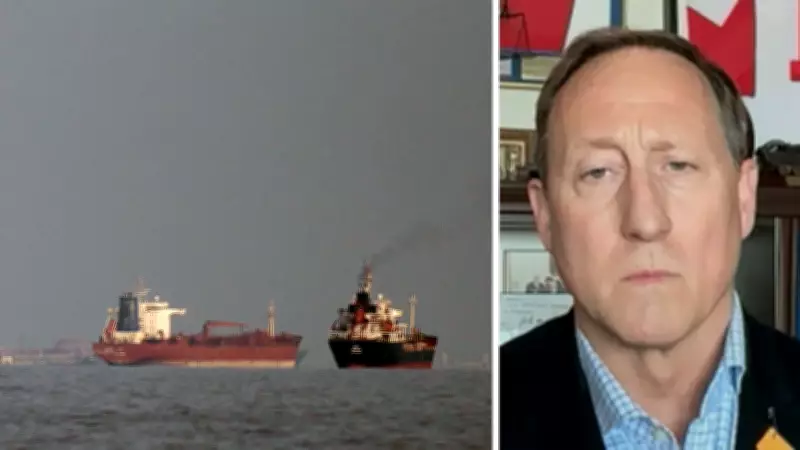
Peter MacKay Weighs Canada's Military Options in Iran Conflict
Former Canadian foreign affairs minister Peter MacKay has stated that "all options are on the table" regarding Canada's potential role in the escalating conflict involving Iran. In a recent interview, MacKay expressed skepticism about the effectiveness of sanctions as a strategy to reopen the critical Strait of Hormuz, a vital global shipping corridor that Iran has threatened to close.
Doubts Over Sanctions Strategy
MacKay, who served as foreign affairs minister from 2007 to 2015, emphasized that traditional economic measures might not achieve desired outcomes in this complex geopolitical situation. "I don't think sanctions against Iran would be an effective strategy to reopen the Strait of Hormuz," MacKay stated, highlighting the limitations of diplomatic pressure alone when dealing with regional security threats.
The former minister's comments come amid growing international concern about Iran's military posture and its potential to disrupt global energy supplies through control of the strategic waterway. The Strait of Hormuz serves as a passage for approximately one-fifth of the world's petroleum consumption, making its security a matter of global economic significance.

Canada's Potential Military Involvement
While MacKay did not specify which military options Canada might consider, his "all options on the table" remark suggests potential Canadian participation in multinational efforts to ensure freedom of navigation in the region. This could range from naval deployments to more direct forms of military cooperation with allied nations.
Canada has previously contributed to maritime security operations in the Middle East, including participation in Combined Task Force 150, which conducts counter-terrorism and maritime security operations in the region. MacKay's comments indicate that similar or expanded involvement might be under consideration as the Iran situation develops.
Broader Geopolitical Context
The discussion of Canada's potential role occurs against a backdrop of heightened tensions in the Middle East. Iran's nuclear program, regional proxy conflicts, and threats to international shipping lanes have created a volatile situation that requires careful diplomatic and military balancing from Western nations.
MacKay's perspective reflects ongoing debates within Canadian foreign policy circles about how to respond to security challenges that directly impact global economic stability. His comments suggest that military options, while not preferred, remain part of the strategic calculus when vital international interests are at stake.
As the situation continues to evolve, Canadian policymakers will need to weigh the risks and benefits of various approaches to Middle East security, balancing diplomatic efforts with potential military commitments to protect international waterways and maintain regional stability.






