

Palestinians Become Collateral Victims in Escalating Iran-Israel Conflict
Initially bystanders to the military confrontation between Iran and Israel, Palestinian populations are now emerging as significant victims of the expanding regional war. The conflict, which began with targeted strikes and retaliatory actions, has increasingly drawn in civilian areas, exacerbating long-standing humanitarian issues in Palestinian territories.
From Bystanders to Casualties
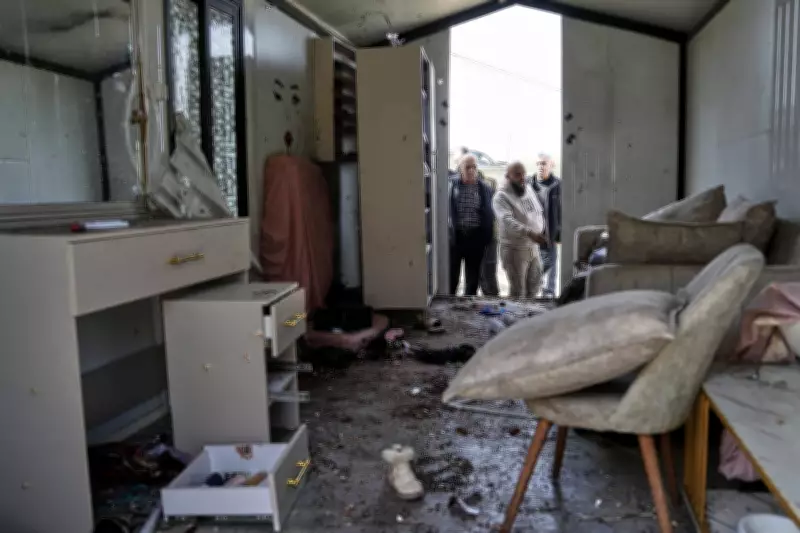
Recent weeks have seen a dramatic shift in the conflict's impact on Palestinians. What started as a direct confrontation between state actors has spilled over into neighboring regions, with Palestinian communities experiencing intensified violence, displacement, and resource shortages. Reports indicate that infrastructure damage, including hospitals and schools, has reached critical levels in several areas.
The humanitarian situation is deteriorating rapidly, with aid organizations warning of potential catastrophe if hostilities continue to escalate. Medical supplies are running dangerously low, and access to clean water has become increasingly restricted in conflict-affected zones.

Regional Escalation and Diplomatic Strains
The broadening conflict has exposed significant cracks in international diplomatic relationships. Analysts note that Israel's military actions are creating substantial challenges for the U.S. administration's efforts to mediate a resolution to the broader Middle East conflict. This tension comes as the Pentagon seeks additional funding—reportedly up to $200 billion—to support ongoing operations.
Meanwhile, the situation in Lebanon has worsened considerably, with Israeli strikes intensifying along the border regions. This escalation threatens to draw additional actors into the conflict, potentially creating a wider regional war with devastating consequences for civilian populations throughout the Middle East.
International Response and Domestic Implications
The conflict's ripple effects are being felt globally. In Canada, the defence minister reportedly learned from media reports that Iranian strikes may have impacted Canadian assets in the region. This revelation has sparked questions about intelligence sharing and coordination among allied nations.
Domestically, the war has influenced economic indicators, with Canadian and U.S. markets experiencing declines amid the escalating violence. The uncertainty has contributed to decreased investor confidence and heightened volatility in financial markets.
Humanitarian Crisis Deepens
As military operations continue, Palestinian civilians find themselves trapped between opposing forces. The United Nations has called for immediate humanitarian corridors to allow aid delivery and civilian evacuation from the most affected areas. However, these appeals have met with limited success amid ongoing hostilities.
The transformation of Palestinians from observers to victims represents a tragic development in the conflict's evolution. What began as a targeted confrontation between nations has evolved into a broader humanitarian disaster, with innocent civilians paying the heaviest price for geopolitical tensions they did not create.
As diplomatic efforts struggle to gain traction, the immediate future appears bleak for Palestinian populations caught in the crossfire. The international community faces mounting pressure to intervene more effectively, but political divisions and strategic interests continue to hamper coordinated action to protect vulnerable civilians.






