

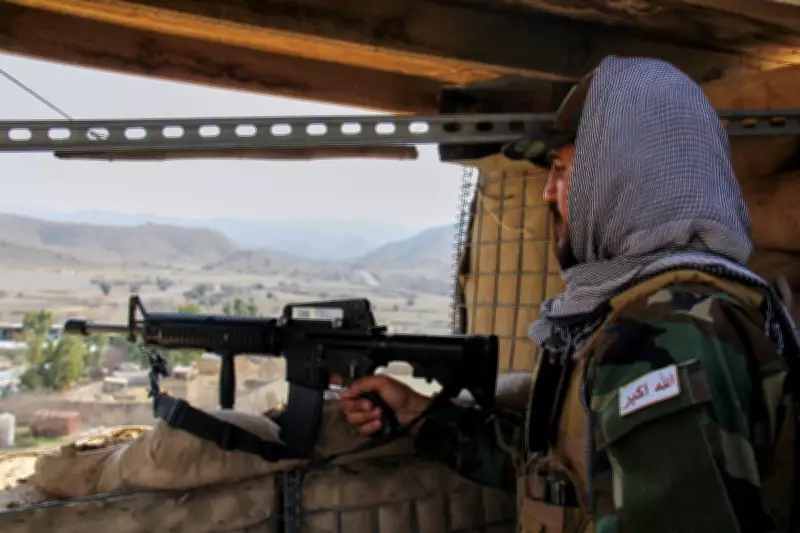
Pakistan and Afghan Taliban Resume Diplomatic Talks in China
In a significant diplomatic development, Pakistan and the Afghan Taliban have resumed talks in China, with Beijing taking a proactive role in seeking a ceasefire between the two parties. This meeting, held on April 1, 2026, underscores China's growing influence in regional affairs and its efforts to mediate conflicts in South Asia.
Beijing's Mediation Efforts
China has positioned itself as a key mediator in the talks, aiming to de-escalate tensions and foster stability in the region. The discussions come amid ongoing disputes between Pakistan and the Afghan Taliban, which have historically involved border issues and security concerns. Beijing's involvement highlights its strategic interests in maintaining peace and securing its economic investments, particularly through initiatives like the Belt and Road.
Regional Implications

The resumption of talks could have far-reaching implications for regional security. A successful ceasefire would not only reduce violence but also potentially pave the way for broader diplomatic engagements. However, challenges remain, as both Pakistan and the Afghan Taliban have deep-seated grievances that require careful negotiation.
Historical Context and Current Dynamics
Relations between Pakistan and the Afghan Taliban have been complex, marked by periods of cooperation and conflict. The Taliban's return to power in Afghanistan in 2021 has reshaped regional dynamics, with Pakistan expressing concerns over cross-border militancy. China's mediation is seen as an attempt to balance these tensions while advancing its own geopolitical goals.
International observers are closely watching the talks, as outcomes could influence global counterterrorism efforts and humanitarian aid distribution in Afghanistan. The involvement of a major power like China adds a new dimension to the peace process, potentially setting a precedent for future conflicts in the area.
As the discussions continue, the focus will be on whether Beijing can broker a sustainable agreement that addresses the core issues driving the conflict. The success of these talks could signal a shift towards more collaborative regional diplomacy in the years ahead.






