Israeli Prime Minister Benjamin Netanyahu has characterized the announced commencement of the next phase in the Gaza ceasefire as an act laden more with symbolism than substantive change. The comments, made on January 15, 2026, cast a shadow over hopes for a significant de-escalation in the protracted conflict.
A Gesture Over Substance?
The Prime Minister's framing suggests that the impending shift in the truce, while officially marking a new stage, may not immediately alter the fundamental realities on the ground for Palestinians in Gaza. His statement downplays expectations of a major breakthrough, indicating that the move is designed more for diplomatic optics than for delivering immediate, tangible relief or a path to a permanent peace.
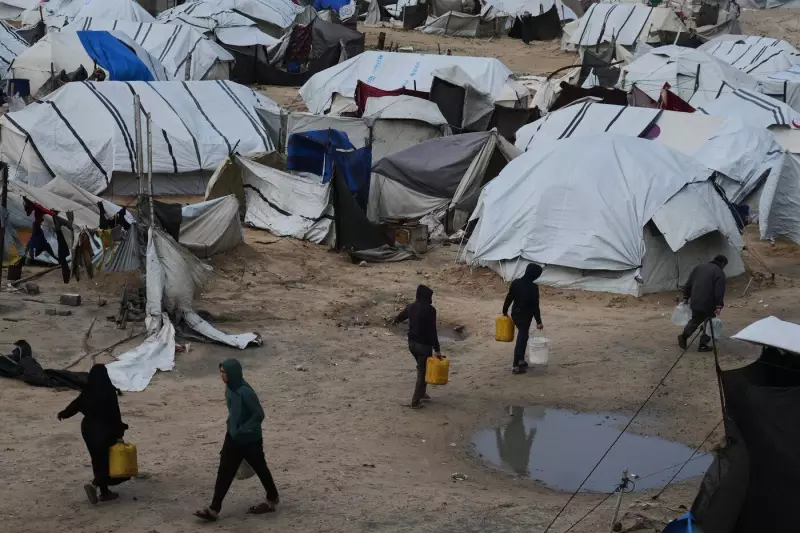
The announcement comes as civilians in Gaza continue to face severe hardship. On January 13, 2026, just days before Netanyahu's remarks, Palestinians were photographed carrying plastic jerrycans for water through a displacement camp in Gaza City amid stormy weather, a stark visual reminder of the dire humanitarian conditions persisting in the territory.

Context of a Protracted Conflict
Netanyahu's portrayal of the ceasefire phase as largely symbolic underscores the deep complexities and mutual distrust that have plagued the Israel-Hamas war. Analysts suggest such a characterization may be aimed at managing domestic political expectations within Israel while engaging with international pressure for a negotiated pause in hostilities.
The timing of the statement is critical, as it sets a cautious, if not pessimistic, tone for what the next operational period of the ceasefire might achieve. It signals that core disagreements remain unresolved and that the road to a lasting settlement is fraught with challenges.
Regional and International Implications
This development is being closely watched by global powers and regional actors invested in Middle East stability. A ceasefire phase deemed symbolic by one of the primary parties risks undermining confidence in the diplomatic process and could affect the dynamics of foreign aid and support tied to demonstrable progress.
The focus now shifts to whether actions on the ground will contradict the Prime Minister's symbolic framing or confirm it. Humanitarian organizations will be monitoring for any changes in the flow of aid and the safety of civilians, which represent the most concrete metrics for assessing the truce's real-world impact.
As of January 15, 2026, the situation remains in a delicate balance, with Netanyahu's comments serving as a reminder that declarations of new phases in conflict do not always equate to transformative change for those living through it.