

Historic Diplomatic Breakthrough: Lebanon and Israel to Hold First Direct Talks in Decades
In a significant development that marks a potential turning point in Middle Eastern relations, Lebanon and Israel are scheduled to hold their first direct diplomatic talks in decades. The talks are set to take place in Washington, D.C., as both nations navigate a complex landscape of historical tensions and recent violent incidents.
Background of Regional Tensions
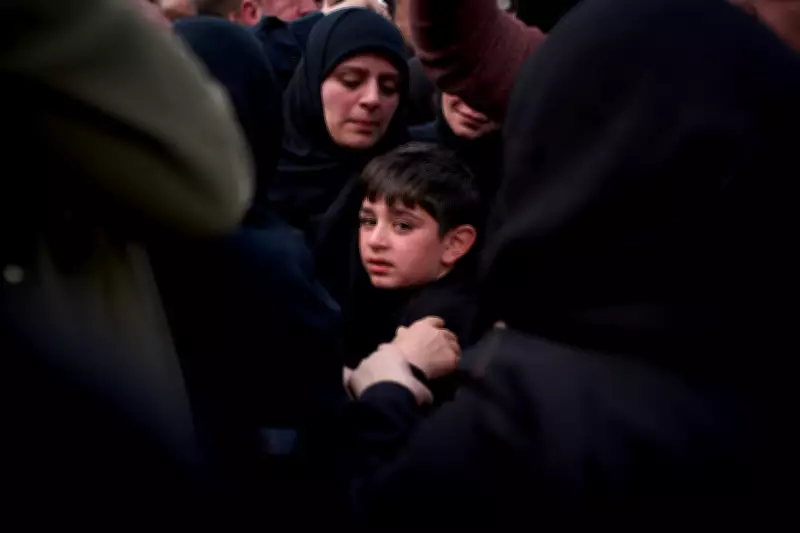
The announcement comes against a backdrop of ongoing conflict and tragedy in the region. Just days prior, on April 11, 2026, an Israeli strike in Lebanon's coastal city of Sidon resulted in the deaths of 13 state security officers. The emotional toll was vividly captured in images from the funeral, where an 8-year-old boy, Mohammed, was seen crying next to the coffin of his father, Hussein Makkah, one of the victims.
This incident underscores the deep-seated animosities and human costs that have characterized Lebanese-Israeli relations for years. The two countries have technically been in a state of war since Israel's founding in 1948, with periodic clashes, particularly along the volatile border region.

Details of the Upcoming Talks
The talks, facilitated by the United States, represent a rare diplomatic opening. While specific agenda items have not been fully disclosed, they are expected to address key issues such as:
- Border security and demarcation, including disputes over maritime boundaries and land territories.
- De-escalation mechanisms to prevent future military confrontations and reduce the risk of civilian casualties.
- Humanitarian concerns, potentially including prisoner exchanges or discussions on the aftermath of strikes like the one in Sidon.
Washington's role as host highlights its continued influence in mediating Middle Eastern conflicts, despite shifting global dynamics. The U.S. State Department has emphasized the importance of dialogue in reducing regional instability.
Challenges and Prospects
Analysts caution that while the talks are a positive step, numerous obstacles remain. Domestic political pressures in both Lebanon and Israel could limit negotiators' flexibility. In Lebanon, factions like Hezbollah, which is backed by Iran and has engaged in conflicts with Israel, may view the talks with skepticism. In Israel, hardline groups might oppose any concessions perceived as weakening national security.
Moreover, the recent violence in Sidon serves as a stark reminder of how quickly diplomatic efforts can be undermined by military actions. Ensuring a cessation of hostilities during the negotiation period will be critical to their success.
Nevertheless, the mere fact that direct talks are occurring after so many years of indirect communication through intermediaries is seen as a breakthrough. It suggests a willingness, however tentative, to explore diplomatic solutions over military ones.
Regional and Global Implications
The outcome of these talks could have far-reaching effects beyond the two nations involved. A successful dialogue might:
- Reduce tensions in the Eastern Mediterranean, potentially opening avenues for economic cooperation, such as in energy resources.
- Influence other regional conflicts by demonstrating that even long-standing adversaries can engage in direct diplomacy.
- Impact global powers' strategies in the Middle East, particularly for the U.S., which seeks to maintain stability amid competition from actors like Iran and Russia.
As preparations for the Washington talks proceed, the international community will be watching closely. The hope is that this diplomatic initiative can pave the way for a more peaceful and stable relationship between Lebanon and Israel, ultimately benefiting the entire region.






