

Understanding the Escalating Israel-Hezbollah Conflict in Lebanon
The ongoing military confrontation between Israel and Hezbollah in Lebanon represents one of the most significant and volatile conflicts in the Middle East region. This protracted war has evolved into a complex geopolitical struggle with far-reaching implications for regional stability and international relations.
Current Military Situation and Strategic Developments
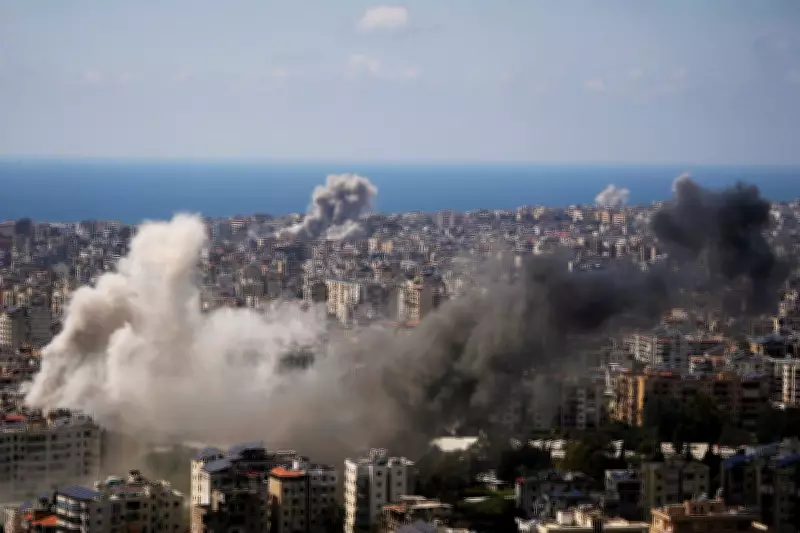
Recent months have witnessed intensified hostilities along the Israel-Lebanon border, with both sides engaging in increasingly sophisticated military operations. Hezbollah, designated as a terrorist organization by numerous countries including the United States and Israel, has demonstrated enhanced military capabilities through its deployment of advanced weaponry and tactical maneuvers. The conflict has resulted in significant casualties on both sides and has displaced thousands of civilians from border communities.
The Israeli Defense Forces have conducted targeted operations against Hezbollah positions throughout southern Lebanon, while Hezbollah has launched rocket and drone attacks against northern Israeli settlements. This exchange of fire has created a persistent state of tension that threatens to escalate into a broader regional conflict involving other state and non-state actors.

Historical Context and Regional Implications
The current conflict represents the latest chapter in a long-standing rivalry between Israel and Hezbollah that dates back to the 1980s. Hezbollah emerged as a powerful political and military force in Lebanon following Israel's 1982 invasion, and the two entities have engaged in multiple conflicts since, most notably the 2006 Lebanon War. The current hostilities occur against a backdrop of shifting regional alliances and power dynamics, with Iran's support for Hezbollah and Israel's security concerns creating a volatile mix of competing interests.
Regional analysts note that this conflict has broader implications for Middle Eastern stability, potentially drawing in other actors including Syria, Iran, and various international powers with interests in the region. The humanitarian situation in affected areas continues to deteriorate, with civilian infrastructure suffering significant damage and basic services disrupted in conflict zones.
International Response and Diplomatic Efforts
The international community has expressed growing concern about the escalating violence, with multiple diplomatic initiatives attempting to broker ceasefires and establish humanitarian corridors. United Nations peacekeeping forces in southern Lebanon (UNIFIL) have faced increasing challenges in maintaining stability along the Blue Line demarcation between Israel and Lebanon. Various international mediators have proposed frameworks for de-escalation, though these efforts have thus far yielded limited results as both sides maintain firm positions regarding security requirements and political objectives.
Economic consequences of the conflict extend beyond the immediate combat zones, affecting regional trade routes, energy markets, and international investment in the Eastern Mediterranean. The prolonged nature of the hostilities has raised concerns about potential spillover effects that could destabilize neighboring countries already facing economic and political challenges.
Future Outlook and Potential Scenarios
Military analysts suggest several possible trajectories for the conflict, ranging from negotiated settlement to further escalation involving additional regional actors. The strategic calculations of both Israel and Hezbollah continue to evolve in response to battlefield developments, political considerations, and international pressure. Observers note that the conflict's resolution will likely require addressing fundamental security concerns of both parties while accounting for Lebanon's fragile political equilibrium and broader regional power dynamics.
The humanitarian dimension remains critical, with displaced populations facing uncertain futures and reconstruction efforts hampered by ongoing hostilities. As the conflict enters its latest phase, international attention remains focused on preventing further escalation while seeking sustainable solutions to one of the Middle East's most persistent security challenges.






