

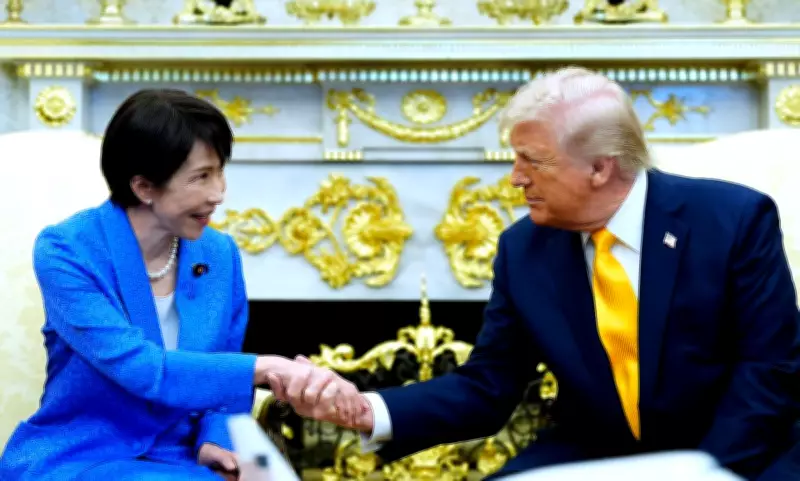
Japan's Diplomatic Outreach to Trump Focuses on Securing Vital Oil Passage
In a significant diplomatic move, Japan's former internal affairs minister Sanae Takaichi has engaged with former U.S. President Donald Trump to reaffirm and strengthen the bilateral alliance between the two nations. The central focus of their discussions revolves around securing assistance to protect the Strait of Hormuz, a crucial maritime passage for global oil shipments.
Strategic Importance of the Strait of Hormuz
The Strait of Hormuz serves as a vital chokepoint for international energy markets, with approximately one-fifth of the world's oil supply passing through its narrow waters. Recent escalations in Middle East conflicts have heightened concerns about the security and stability of this strategic waterway. Takaichi's outreach underscores Japan's deep-seated anxiety over potential disruptions that could severely impact its energy-dependent economy.
Japan relies heavily on Middle Eastern oil imports, making the free flow of maritime traffic through the strait absolutely essential for its national interests. Any blockade or significant disruption could trigger economic turmoil not just in Japan but across global markets that depend on stable energy supplies.

Navigating Complex Geopolitical Waters
Takaichi's meeting with Trump occurs against a backdrop of escalating tensions in the Middle East, including recent Iranian retaliatory attacks and intensified Israeli strikes in Lebanon. The Pentagon's reported request for an additional $200 billion in funding for the Iran war further illustrates the volatile regional landscape.
The timing of this diplomatic initiative is particularly noteworthy, as it coincides with multiple international challenges including Canada's Supreme Court preparing to hear a challenge to the federal firearms ban and various domestic issues across Canadian provinces. However, Japan's focus remains squarely on ensuring maritime security in a region that has become increasingly unstable.
Broader Implications for International Relations
This diplomatic effort represents more than just bilateral cooperation between Japan and the United States. It signals Japan's proactive approach to safeguarding its economic security through strategic partnerships. The discussions likely addressed:
- Joint naval patrols and surveillance operations in the Persian Gulf region
- Intelligence sharing regarding potential threats to maritime security
- Coordination with other regional allies to ensure freedom of navigation
- Contingency planning for potential disruptions to oil shipments
While Trump's current political status differs from his presidential tenure, his continued influence in American politics makes him a valuable interlocutor for Japanese officials seeking to maintain strong trans-Pacific ties. The meeting demonstrates Japan's recognition that securing critical trade routes requires sustained engagement with key American political figures across administrations.
As Middle East tensions continue to evolve with developments like the U.S. Senate grilling intelligence officials over the Iran war and various regional conflicts intensifying, Japan's proactive diplomatic efforts highlight how nations are preparing for potential disruptions to global supply chains. The outcome of Takaichi's discussions with Trump could significantly influence how both countries approach maritime security in one of the world's most strategically important waterways.






