Iran's Supreme Leader, Ayatollah Ali Khamenei, has publicly accused protesters within the country of deliberately destroying their own communities in an effort to gain favour with former United States President Donald Trump. The remarks come as new videos circulating on social media platforms show ongoing demonstrations in Iran's northeastern city of Bojnurd.
Khamenei's Accusation and Protest Footage
In a statement issued on January 09, 2026, the Supreme Leader framed the domestic unrest as an act of sabotage aimed at pleasing a foreign adversary. He claimed protesters were "ruining their own streets" specifically to satisfy Trump. This rhetoric aligns with the Iranian government's long-standing narrative that attributes internal dissent to foreign manipulation and "enemy" plots.
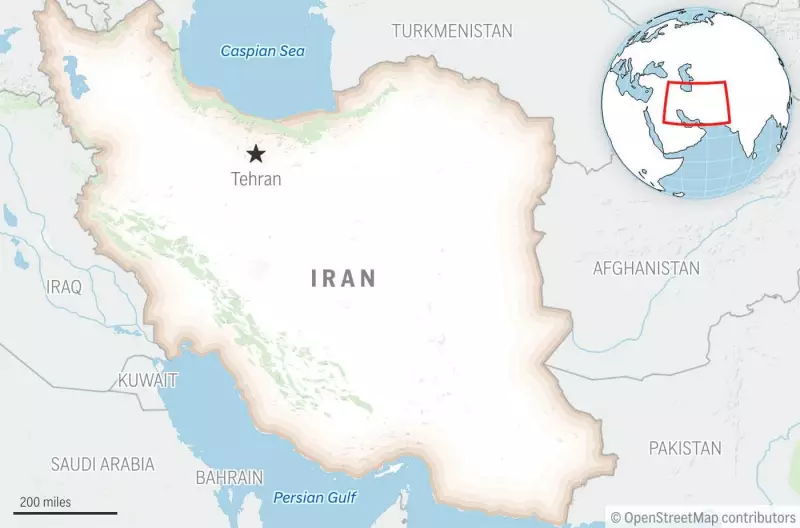
Simultaneously, visual evidence posted online contradicts the official portrayal. The social media videos depict citizens in Bojnurd chanting slogans, indicating sustained grassroots mobilization. These protests are reported to have erupted following a public call for demonstration from an exiled Iranian prince, highlighting a continued challenge to the regime's authority.

Broader Context of Unrest
The latest wave of protests adds another chapter to Iran's history of periodic public upheaval. The Supreme Leader's decision to invoke the name of Donald Trump is particularly pointed, given the former U.S. president's administration's policy of "maximum pressure" on Iran, which included severe economic sanctions. By linking protesters to Trump, the regime attempts to discredit their genuine grievances as treasonous acts serving American interests.
Analysts observe that this strategy is intended to unite government supporters and justify a harsh security response. However, the persistent appearance of protest footage from cities like Bojnurd suggests that these grievances—often related to economic hardship, political repression, and social freedoms—remain potent drivers of public action.
International Reactions and Future Implications
While the immediate international news cycle featured numerous other global and Canadian stories, the developments in Iran are closely monitored by foreign policy experts. The regime's accusatory stance towards the United States, even under a previous administration, risks further complicating already tense diplomatic relations.
The situation remains fluid. The Iranian government's ability to manage this dissent, and the protesters' resilience, will be critical factors in determining whether the demonstrations subside or grow into a more significant movement. The use of social media to bypass state-controlled media and document events continues to play a crucial role in informing the outside world.