

Conflicting Statements Emerge as Iran War Toll Rises Amid Ceasefire Negotiations
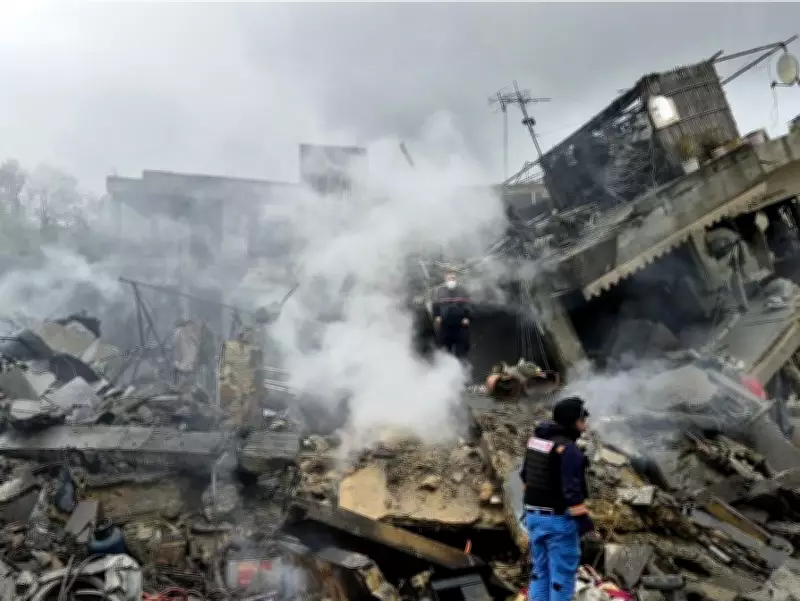
Published March 26, 2026 – The ongoing conflict between Iran and allied forces continues to escalate despite diplomatic efforts, with conflicting statements emerging from Washington and Tehran regarding progress toward ending hostilities. First aid responders were seen at the site of an Israeli airstrike targeting the southern Lebanese village of Kfar Roummane earlier today, highlighting the persistent violence in the region.
Opposing Ceasefire Proposals and Military Escalation
Following the United States' presentation of a comprehensive 15-point ceasefire plan, which Iranian officials promptly dismissed, Tehran has put forward its own proposal to conclude the conflict. This diplomatic maneuvering occurs simultaneously with Iran's military launching missile attacks against Israel, creating a complex backdrop for negotiations.
The Iranian proposal includes a controversial plan to formalize control over the strategically vital Strait of Hormuz by imposing mandatory fees on commercial vessels seeking safe passage through these critical waters. Meanwhile, American military preparations continue unabated, with thousands of additional troops being positioned for potential ground operations within Iranian territory.

Mounting Human Cost of the Conflict
The human toll from the ongoing hostilities has reached alarming proportions, with confirmed casualties exceeding 1,500 individuals within Iran and approximately 1,100 people in Lebanon. Dozens more have lost their lives in Israel and surrounding areas, while thirteen members of the United States military have been confirmed dead since hostilities began.
Perhaps even more devastating has been the displacement crisis, with millions of civilians in both Lebanon and Iran forced to abandon their homes due to the intensifying conflict. Humanitarian organizations continue to struggle with providing adequate assistance to affected populations as infrastructure damage compounds the crisis.
Thursday's Key Developments in the Iran War
Pakistan Confirms Role as Diplomatic Channel
In a significant diplomatic revelation, Pakistan's top diplomat Ishaq Dar has publicly acknowledged that indirect negotiations between the United States and Iran are continuing through Pakistani mediation. This marks the first official confirmation from Islamabad regarding its role as an intermediary between the conflicting parties.
"U.S.-Iran indirect talks are taking place through messages being relayed by Pakistan," Dar stated in a social media post. He further noted that Egypt and Turkey, along with several other nations, are actively supporting these diplomatic efforts behind the scenes.
Trump Issues Warning to Iranian Leadership
Former President Donald Trump utilized his Truth Social platform to deliver a pointed message to Iranian officials, urging them to "get serious soon" regarding negotiation efforts. While not specifying particular consequences, Trump warned that Iranian leaders should engage constructively "before it is too late, because once that happens, there is NOT TURNING BACK."
These comments follow Trump's previous assertions that a diplomatic agreement was imminent, despite Iran's rejection of the American ceasefire proposal. Trump characterized Iranian negotiators as "very different and strange," claiming they were "begging" for a settlement while publicly maintaining they were merely reviewing American proposals.
Israeli Strike Eliminates Senior Iranian Naval Commander
Israeli defense officials confirmed Thursday that Commodore Alireza Tangsiri, head of the Iranian Revolutionary Guard's naval forces, was killed in an overnight military strike. According to Israeli Defense Minister Israel Katz, Tangsiri was eliminated along with several other senior naval commanders during the operation.
Minister Katz identified Tangsiri as responsible for bombing operations that obstructed commercial shipping through the Strait of Hormuz, describing the strike as a "clear message" to top Iranian military officials that Israeli forces would continue targeting high-ranking personnel. Iranian authorities have not yet officially acknowledged Tangsiri's death.

Iran Implements Strait of Hormuz Transit Fees
Jasem Mohamed al-Budaiwi, Secretary-General of the Gulf Cooperation Council, confirmed during a news conference that Iran has begun charging fees for vessels seeking safe passage through the Strait of Hormuz. The GCC, comprising six Gulf Arab nations including Bahrain, Kuwait, Oman, Qatar, Saudi Arabia and the United Arab Emirates, has expressed concern over this development given the strait's critical role in global energy transportation.
Maritime traffic through this vital waterway, which typically conveys approximately twenty percent of the world's oil and gas supplies, has largely halted since the conflict escalated in late February.
United States Reports Extensive Target Strikes
United States Navy Admiral Brad Cooper, head of American Central Command, revealed in a video statement released early Thursday that American forces have struck more than 10,000 targets throughout the Iran conflict. "If you combine what we've accomplished with the success of our Israeli ally, together, we have struck thousands more," Cooper stated.
The admiral further reported that precision American strikes have overwhelmed Iranian air defense systems and destroyed ninety-two percent of the Iranian navy's largest vessels. Additionally, Cooper confirmed that over two-thirds of Iran's munitions production facilities have been successfully targeted, though Iranian authorities have not acknowledged these material losses publicly.
Reporting includes information from The Associated Press.





