Iran has retaliated against a second day of U.S. strikes by firing missiles at Gulf states and Jordan, escalating tensions in the Middle East. The attacks mark a significant escalation in the ongoing conflict between Iran and the United States, with regional allies now caught in the crossfire.
Background of the Conflict
The U.S. military conducted airstrikes on Iranian positions for the second consecutive day, targeting facilities linked to Iran's nuclear program and military infrastructure. In response, Iran launched a barrage of missiles aimed at several Gulf states, including Saudi Arabia and the United Arab Emirates, as well as Jordan, which hosts U.S. military personnel.
Regional Impact
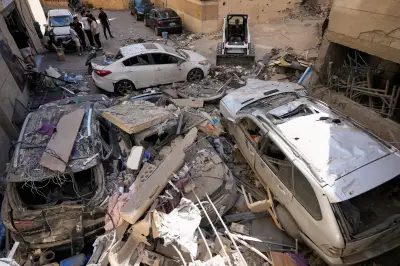
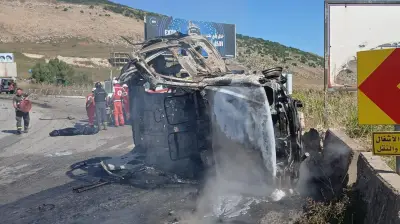
The strikes have raised fears of a broader regional war, with Gulf states and Jordan now directly affected. Civilian casualties have been reported in some areas, though exact numbers remain unclear. Air defense systems in the region have been activated, intercepting some of the incoming missiles.

International Response
The United Nations has called for an immediate ceasefire, while the United States has vowed to defend its allies. The European Union has urged restraint from both sides. The situation remains fluid, with diplomatic efforts underway to de-escalate the conflict.
As the crisis unfolds, global markets have reacted with volatility, and oil prices have surged due to fears of supply disruptions in the region.