

Iran Reportedly Receives U.S. Ceasefire Proposal Amid Escalating Conflict
According to two Pakistani officials, Iran has received a comprehensive 15-point ceasefire proposal from the United States, aimed at ending the ongoing war. The proposal was submitted through Pakistani government intermediaries, who have offered to host negotiations between Iran and the U.S. This development comes as tensions in the Middle East continue to rise, with recent missile attacks and military engagements adding to the urgency for diplomatic solutions.
Details of the U.S. Proposal
The U.S. ceasefire proposal reportedly addresses several critical issues, including sanctions relief, civilian nuclear cooperation, and a rollback of Iran's nuclear program. Other key points involve missile limits, enhanced monitoring by the International Atomic Energy Agency, and ensuring shipping access through the strategic Strait of Hormuz. The U.S. appears to be seeking an end to the conflict while simultaneously planning to deploy approximately 1,000 additional troops to the Middle East, supplementing the existing force of around 50,000 personnel.
Iran's Response and Denials
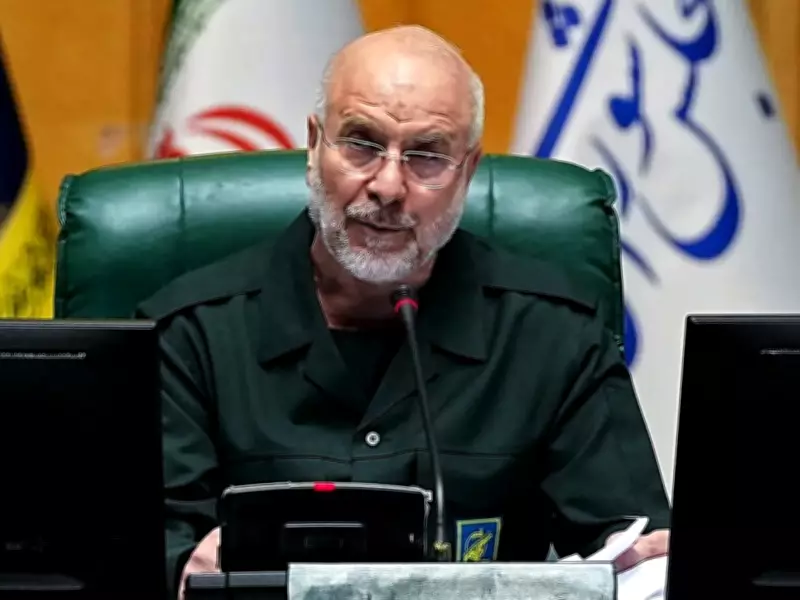
Iranian officials have provided mixed reactions to the proposal. The office of Iranian Foreign Minister Abbas Araghchi stated that he has been discussing the war with several counterparts this week. However, Iranian Parliament Speaker Mohammad Bagher Qalibaf denied claims of direct talks with the U.S., and a military spokesperson mocked American diplomatic efforts, insisting that Iran is not engaged in negotiations and that the fighting will continue.

Recent Escalations in the Conflict
The ceasefire proposal emerges against a backdrop of intensified hostilities. On Wednesday, Israel issued multiple missile alerts as Iran targeted large parts of the country with ballistic missiles. Police and rescue services reported treating sites impacted by debris, though no immediate injuries were confirmed. Additionally, drone and rocket fire from Lebanon toward northern Israel has persisted unabated.
In a significant development, Hezbollah claimed that its air defence units fired surface-to-air missiles at an Israeli warplane conducting strikes over southern Lebanon on Tuesday evening, forcing the aircraft to withdraw. This marks the first such incident since the latest Israel-Hezbollah war began on March 2. Last week, Hezbollah also claimed to have shot down an Israeli drone over the village of Baraachit, with no immediate comment from the Israeli military.
Broader Implications and U.S. Military Moves
The U.S. proposal is part of broader efforts to de-escalate the conflict, which has seen increased military posturing. Beyond the troop reinforcements, the Pentagon is planning to deploy about 5,000 Marines and thousands of sailors to the region. These moves underscore the complex dynamics at play, as diplomatic overtures are matched with heightened military preparedness.
As the situation evolves, international observers are closely monitoring whether Iran will engage with the U.S. proposal or maintain its current stance of denial and continued aggression. The involvement of Pakistani intermediaries adds a layer of regional diplomacy, potentially opening avenues for dialogue in a highly volatile environment.






