For nearly two consecutive weeks, the streets of Iran have become a battleground of wills. A new wave of sustained protests suggests the Iranian populace has reached a breaking point with what one commentator labels a "terrorist regime" governing their lives. Despite a brutal crackdown that has left more than 30 people dead, videos circulating on social media platform X show citizens continuing to march with renewed intent and vigour.
A Movement Defined by Resilience and Repression
The current unrest, unfolding in January 2026, builds upon layers of deep-seated frustration. Iranian journalist and activist Masih Alinejad reported that despite facing bullets, tear gas, and brutal repression, "people are still in the streets across Iran." She stated the growing protests send a clear message: "Iranians reject this child-killing terrorist regime. They don't want those killers."
This round of demonstrations follows a major series from 2022-2023, ignited by the death of 22-year-old Mahsa Amini in custody after she allegedly violated mandatory hijab rules. The "Women, Life, Freedom" rallying cry from that period has evolved, with economic despair and state violence adding fuel to the fire. The regime's fragility is underscored by a stark statistic: executions in Iran reportedly doubled in 2025 to approximately 1,500 people.

A Regime's Desperate Response and Regional Repercussions
Facing internal revolt, Iran's leadership has responded with heightened threats and familiar accusations. The country's top judge warned there would be "no leniency for those who help the enemy against the Islamic Republic." Supreme Leader Ayatollah Ali Khamenei vowed not to yield, while the regime pointed fingers outward, accusing Israel and the United States of colluding to destabilize the nation. This week, Iran announced the execution of an alleged Israeli spy, a move seen as an attempt to sow fear.
The protests coincide with significant regional shifts. Analysts note that Israel's 12-day war against Iran in the summer of 2025 exposed significant military vulnerabilities, challenging the regime's projection of strength. Furthermore, Iran's costly ambitions—its relentless pursuit of nuclear weapons, threats against Israel, and financing of proxy groups like Hezbollah, the Houthis, and Hamas—have invited crippling international sanctions and contributed to a collapsing currency.
Historical Context and an Uncertain Future
The 1979 Islamic Revolution forcibly installed a theocratic government that transformed Iran into a leading state sponsor of terrorism, alienating it from the international community. Early acts included the 1992 bombing of the Israeli embassy in Buenos Aires and the 1994 attack on a Jewish community centre in the same city.
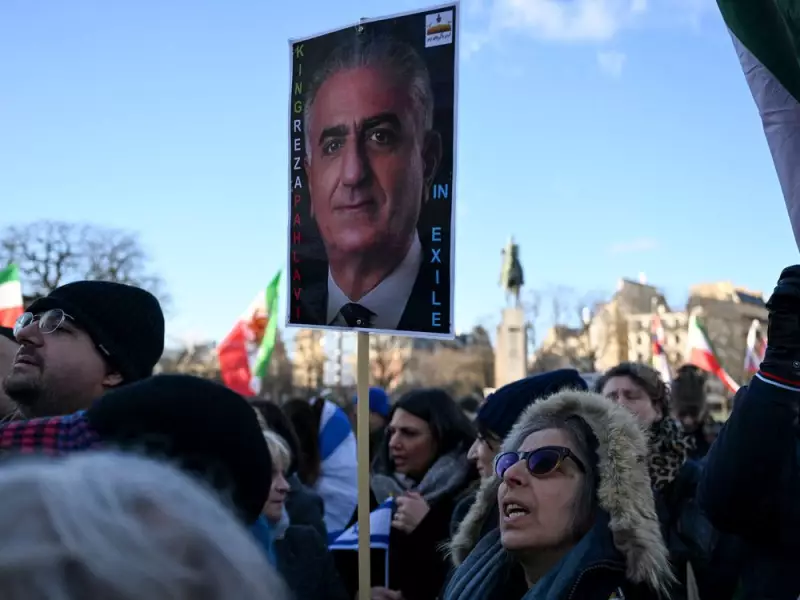
Today, the children of that revolution are in the streets, and symbols of the past are re-emerging. At a solidarity demonstration in Paris on January 4, 2026, protesters held placards of Reza Pahlavi, the son of Iran's last Shah. As the protests persist into a third week, the critical question remains: Has the regime's foundation cracked beyond repair? The events of the coming days could indeed alter the political landscape of the Middle East, determining whether a decades-old system of control can survive the determined will of its people.