

Iran's Ceasefire Standoff Escalates Global Tensions
The temporary ceasefire in the ongoing conflict with Iran, if maintained, could represent a significant strategic defeat for the United States, Israel, and democratic nations worldwide. Despite receiving substantial criticism for its perceived lack of strategic planning and ambiguous war objectives, the Trump administration now faces an even more complex diplomatic challenge as ceasefire negotiations reveal deep divisions between Washington and Tehran.
Negotiations Reach Impasse in Islamabad
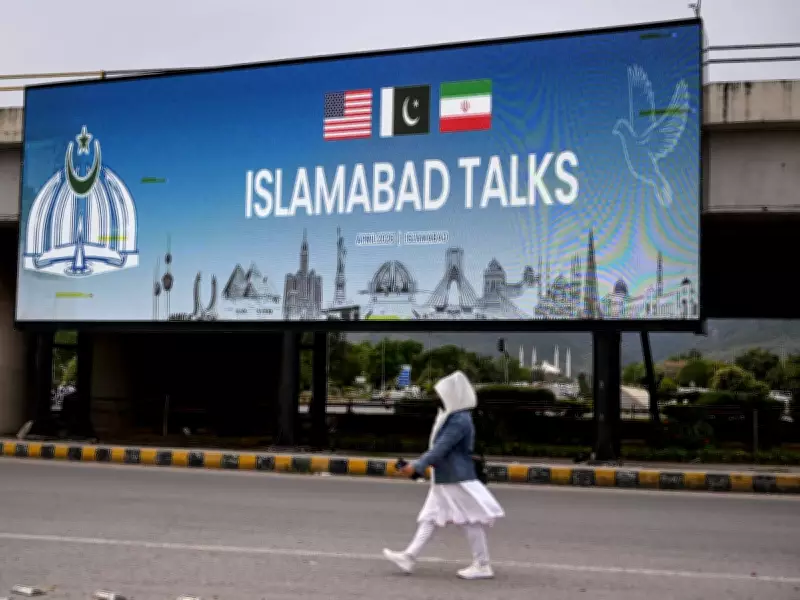
American and Iranian diplomats convened in Islamabad this Saturday attempting to finalize details of the last-minute truce announced Tuesday evening. This development came just hours before President Donald Trump threatened to eliminate "a whole civilization" unless Iranian authorities reopened the vital Strait of Hormuz to international shipping. However, the diplomatic gulf between the two nations appears as wide as ever, with Iranian President Masoud Pezeshkian dismissing the current talks as "meaningless" and fundamentally unserious.
The negotiations have stalled on multiple critical issues, including whether the ceasefire agreement extends to Lebanon, where hostilities between Israel and Hezbollah continue without interruption. Iran has consequently refused to reopen the Strait of Hormuz despite this being the central focus of Trump's ceasefire ultimatum.

Maritime Blockade Creates Lucrative Revenue Stream
As of Friday, the strategic waterway remained effectively closed to all vessels not affiliated with Iran or its regional allies. Only approximately twelve ships navigated through the strait on Wednesday and Thursday combined, a dramatic reduction from the pre-conflict daily average of around 130 vessels. Among the few vessels permitted passage were just three oil tankers, all previously sanctioned by the United States for transporting Iranian petroleum supplies.
Throughout the conflict period, numerous ships gaining access to the strait have been compelled to pay substantial transit fees approaching two million dollars per vessel. If this system becomes permanent, analysts estimate it could generate up to eighty billion dollars annually for the Iranian regime—a sum exceeding Israel's entire defense budget and providing Tehran with unprecedented financial resources.
Iran Rejects Fundamental Demands
Tehran has shown no willingness to concede on any of Washington's core demands, including abandoning its nuclear enrichment program, restricting ballistic missile development, or ceasing support for designated terrorist organizations throughout the region. Iranian parliamentary Speaker Mohammad Bagher Ghalibaf explicitly stated that "Lebanon and the entire Resistance Axis, as Iran's allies, form an inseparable part of the ceasefire," confirming the regime's commitment to maintaining relationships with militant proxies.
Meanwhile, Iran's nuclear chief Mohammad Eslami bluntly declared that "The claims and demands of our enemies to restrict Iran's enrichment program are merely wishes that will be buried," signaling Tehran's determination to continue its nuclear ambitions regardless of international pressure.
Renewed Conflict Appears Inevitable
Given Iran's continued aggressive posture and the regime's public claims of victory, a return to full-scale hostilities seems increasingly likely. This outcome appears almost inevitable were it not for President Trump's apparent desire to extricate the United States from a conflict that has grown deeply unpopular both domestically and among Western allies. The current situation echoes previous escalations when Trump authorized strikes against Iranian nuclear facilities during Israel's twelve-day conflict with Iran last June, only to immediately call for cessation of hostilities afterward.
The international community now watches anxiously as diplomatic efforts falter and Iran consolidates both strategic and financial gains from the current standoff, potentially emerging stronger and more emboldened regardless of the ceasefire's ultimate fate.






