Hezbollah's Opposition Threatens Fragile Peace Accord
The future of the latest peace deal between Israel and Lebanon is in jeopardy after Hezbollah, Iran's most powerful proxy terrorist group, vowed this week to derail its implementation. The framework agreement, signed in Washington, outlines a gradual withdrawal of Israeli troops from southern Lebanon contingent on the verified disarmament of non-state armed groups, specifically Hezbollah. The Lebanese army is expected to move into vacated areas to assert control.
This U.S.-brokered accord is the first such deal between Israel and Lebanon since 1983, which collapsed due to opposition from various Lebanese groups in a nation deeply divided along political and religious lines. The current agreement is closely tied to the U.S.-Iran peace agreement, as Tehran has stated that Israel must cease attacks on Hezbollah before a final deal can be reached.
Hezbollah and Allies Reject the Agreement
Lebanese parliamentary speaker Nabih Berri, Hezbollah's closest ally in government, declared on Monday that the accord will not stand and warned of potential civil unrest. Hezbollah echoed this sentiment, with MP Hussein Al Hajj Hasan addressing the government: “You have volunteered on behalf of the Americans and Israelis to create this sedition. Do not delude yourselves into thinking that you can fulfill any of the pledges you made in this shameful agreement.”

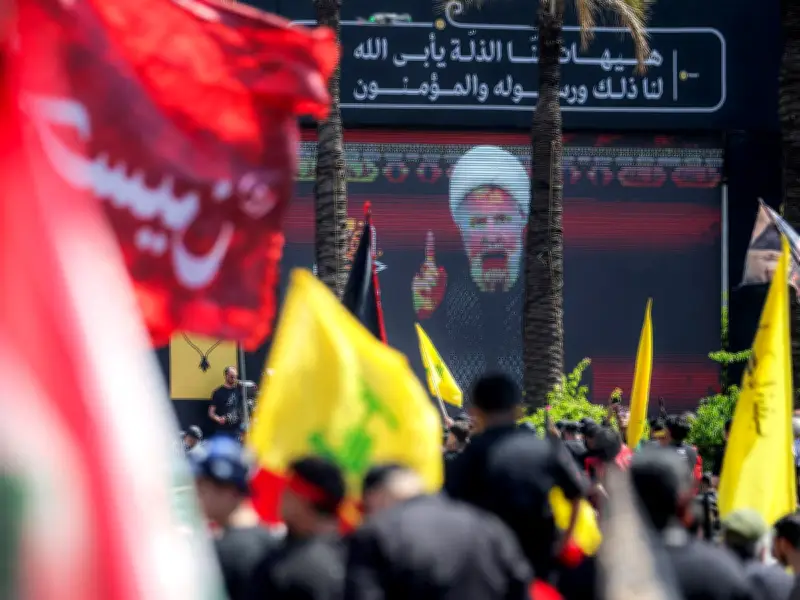
Hours after the U.S. announced the framework agreement last week, Hezbollah supporters took to the streets and attempted to block a vital highway in Beirut leading to the airport before soldiers dispersed them. This unrest underscores the deep opposition to the deal.
Israel's Stance and Military Presence
Israeli Prime Minister Benjamin Netanyahu and Defense Minister Israel Katz visited southern Lebanon on Tuesday, reiterating that Israeli troops will not withdraw until Hezbollah is disarmed and no longer poses a threat. Netanyahu told Israeli soldiers they are free to respond if they identify a threat, according to a statement from his office.
The agreement aims to bolster the Lebanese government and army to overpower Hezbollah while sidelining Iran—an objective that has historically proven unachievable. The U.S. will provide aid to the Lebanese army, which has struggled to make inroads against the better-resourced terrorist group.
Challenges to Implementation
U.S. Central Command Admiral Brad Cooper is in Lebanon and has already met with President Joseph Aoun and Lebanese army commander Rodolphe Haykal to discuss execution of the plan. However, there is little evidence that implementation will be straightforward. Robert Satloff, executive director of the Washington Institute, noted in an article that “the authors of the agreement were unambiguous in rejecting the idea that Iran has a legitimate role to play in determining the future of Lebanon’s political or security affairs, despite this notion being inherent in the U.S.-Iran MOU.”
Lebanon’s government has historically had little influence over Hezbollah, which has undermined its decisions and helped overthrow administrations it perceives as threats. The latest peace deal faces an uncertain path forward amid these entrenched obstacles.