The conclusion of the first round of U.S.-Iran talks in Geneva on Monday has not brought any real breakthroughs, according to observers. While Qatari and Pakistani mediators announced a roadmap to reach a deal in 60 days, claiming “encouraging progress,” the substance remains opaque, and Iran appears to be the main beneficiary.
Sanctions Waiver Boosts Iran’s Economy
A clear and undisputed win for Iran under the framework agreed in Switzerland is the reported U.S. issuance of a 60-day sanctions waiver on Monday. This will allow Tehran to legally resume crude oil sales, potentially generating over $60 billion annually, in addition to petroleum and petrochemical exports, and banking and transportation services, for the first time since the 2018 nuclear deal.
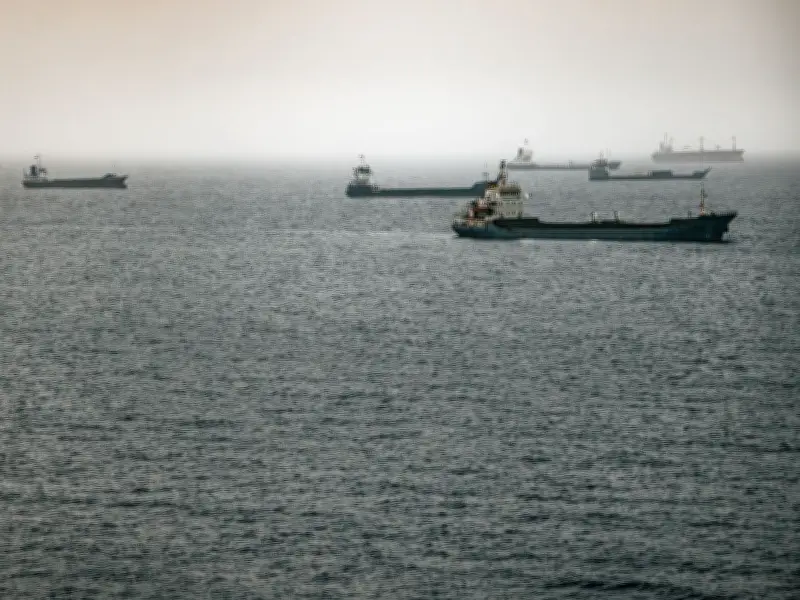
Prior to the waiver, Iran had been forced to rely on a shadow network of so-called “ghost fleets” — tankers operating under foreign flags, with obscured ownership and crews, and constant exposure to the risk of interdiction. As a result, it was often compelled to sell oil at steep discounts to a limited pool of willing buyers.

Trump’s Threats and Iranian Response
As Vice-President JD Vance sat at the negotiating table in Geneva, President Donald Trump appeared determined to complicate the effort. He issued threats over social media and, in a phone interview with Fox News, declared, “You close (the Strait of Hormuz) and you won’t have a country.”
At one point during the talks, the Iranian delegation threatened to walk out in protest, but it has since become more accustomed to interpreting Trump’s unpredictable rhetoric. Mohammad Bagher Ghalibaf, Iran’s chief negotiator and speaker of parliament, dismissed the remarks as a sign of Washington’s “desperation,” warning U.S. officials to “be careful with their statements” and adding that Iran’s armed forces “are ready to respond.”
Nuclear Inspections: A Questionable Concession
In the closing press conference, Vance sought to cast the outcome as a breakthrough, pointing to what he described as early progress. “This is probably what we’re most excited about as Americans,” he said. “The Iranians have agreed to invite (International Atomic Energy Agency) inspectors back into their country. That is a major milestone for the American people and the first step in permanently denuclearizing, or permanently ending, a nuclear weapons program in Iran.”
But the substance behind those claims remains opaque. Iran has denied Vance’s claims, and if Washington is presenting this as a meaningful concession, Iran has never fully cut off cooperation with the International Atomic Energy Agency. Inspectors were in the country as recently as earlier this month, including at the Bushehr nuclear power plant, which itself was struck multiple times during the height of the conflict. It is unclear whether access would include high-security sites such as Fordow and Natanz, or whether inspections would amount to sustained, intrusive monitoring capable of detecting diversion or concealment.
Hezbollah Gains Regional Momentum
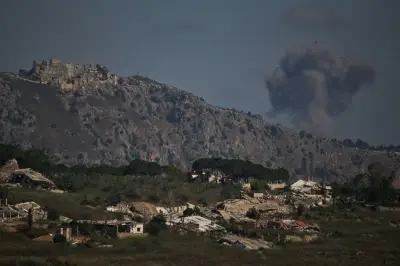
In their joint statement late Monday, Qatari and Pakistani mediators addressed what remains the central threat to regional stability: the fighting in Lebanon. Hezbollah, the Iran-backed militia, has gained momentum amid the talks, with no concrete steps to curb its activities. The Geneva process, while providing economic relief to Iran, has failed to secure peace or address Hezbollah’s role in destabilizing the region.