

French Foreign Minister Floats Idea of Canada Joining European Union
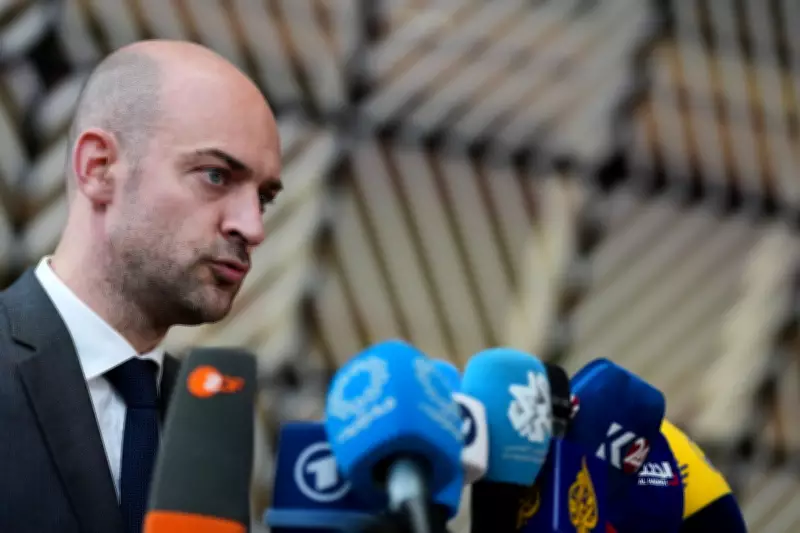
In a remark that has stirred international diplomatic circles, French Foreign Minister Jean-Noel Barrot has suggested that Canada could potentially join the European Union "maybe ... at some point." The comment was made during a media interaction as he arrived for a meeting of EU foreign ministers at the European Council building in Brussels on Monday, March 16, 2026.
A Speculative Yet Significant Statement
While not presenting a formal proposal or timeline, Barrot's statement opens a window into future geopolitical possibilities. The European Union, traditionally comprising European nations, has expanded over decades, but the inclusion of a North American country like Canada would represent an unprecedented shift in its composition and global influence.
This speculative suggestion comes at a time of evolving international alliances and trade dynamics. Canada, as a member of NATO and a close partner with many EU countries through the Comprehensive Economic and Trade Agreement (CETA), already maintains strong ties with the bloc. However, full membership would entail deeper political integration, adoption of EU laws, and participation in its institutions—a complex process that would require significant negotiation and public support.

Context and Implications
The remark aligns with broader discussions about the EU's future expansion and its role on the world stage. Analysts note that such a move could strengthen transatlantic cooperation, but it also raises questions about sovereignty, economic alignment, and the practicalities of integrating a geographically distant nation.
Canada's potential interest in EU membership has not been officially stated by its government, and the idea remains largely hypothetical. Key considerations would include:
- Economic impacts on Canada's trade relationships, particularly with the United States
- Political adjustments to align with EU policies and regulations
- Public opinion in both Canada and existing EU member states
- Legal and constitutional hurdles on both sides
As global challenges like climate change, security threats, and economic instability prompt nations to rethink alliances, Barrot's comment highlights the fluid nature of international relations. It serves as a thought-provoking point for policymakers and citizens alike to consider the future shape of global governance and cooperation.






