

Cuba Releases 2,010 Individuals Amid U.S. Pressure on Island Government
In a significant development, the Cuban government has announced the release of 2,010 people from detention. This action comes as the United States intensifies its pressure on the island nation's administration, highlighting ongoing tensions in international relations.
Background of the Release
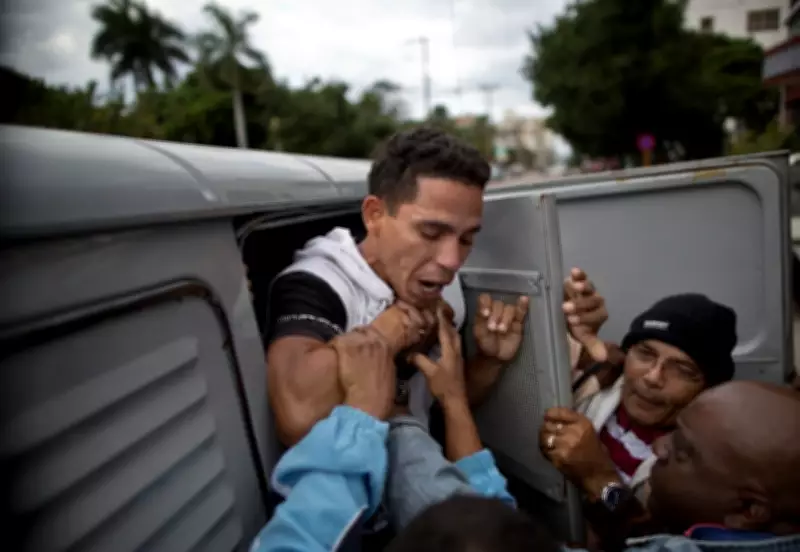
The decision to release these individuals follows a period of heightened scrutiny from U.S. authorities, who have been advocating for human rights improvements and political reforms in Cuba. Historical context includes incidents such as the December 10, 2014 detention of opposition activists during a march organized by the Women in White pro-democracy group in Havana. On that day, demonstrators were picked up by police upon arrival, while pro-government loyalists gathered, singing patriotic songs and slogans.
U.S. Pressure and Its Impact
The United States has been actively pressuring Cuba through diplomatic channels and policy measures, aiming to influence the island's governance. This release is perceived as a direct response to such external pressures, potentially signaling a shift or concession by the Cuban government. Analysts suggest that this move could be an attempt to ease international criticism and foster better relations with the U.S., though the long-term implications remain uncertain.

Details of the Release
The 2,010 individuals being released include a mix of political activists, detainees from various protests, and others held under contentious circumstances. While specific names and charges have not been fully disclosed, the scale of this release is notable, marking one of the largest such actions in recent years. It underscores the complex dynamics between Cuba's internal policies and external geopolitical forces.
Broader Implications
This development could have ripple effects on Cuba's domestic landscape and its international standing. By releasing a substantial number of people, the government may be seeking to demonstrate compliance with global human rights standards, albeit under duress. However, critics argue that without substantive political reforms, such releases might be merely symbolic. The situation continues to evolve, with observers closely monitoring how both Cuba and the U.S. navigate this delicate diplomatic terrain.






