

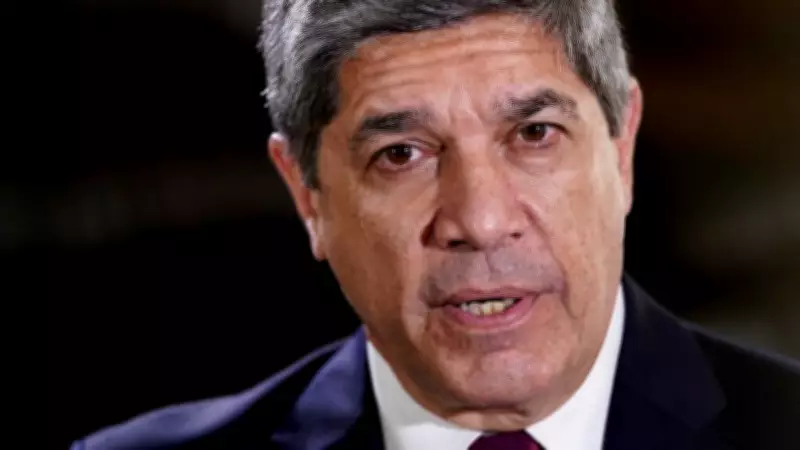
Cuba Stands Firm Against U.S. Negotiations on Presidential Term Limits
In a definitive statement, Cuban Vice Foreign Minister Carlos Fernandez de Cossio has declared that Cuba will not engage in discussions regarding presidential term limits as part of its ongoing diplomatic talks with the United States. This position underscores Cuba's commitment to maintaining its sovereignty and resisting external interference in its internal political affairs.
Diplomatic Stance on Sovereignty
The refusal to negotiate on this issue highlights the broader tensions in U.S.-Cuba relations, which have been marked by decades of political and economic disputes. Fernandez de Cossio emphasized that Cuba's political system, including its leadership structure, is a matter of national determination and not subject to foreign negotiation. This stance aligns with Cuba's long-standing policy of defending its revolutionary principles against what it perceives as imperialist pressures from the United States.
Historical Context and Current Implications
Historically, Cuba has faced numerous challenges from U.S. policies, including sanctions and attempts to influence its governance. The current talks, which cover various bilateral issues, are seen as a potential avenue for improving relations, but Cuba's firm position on presidential terms indicates that certain core aspects of its political framework remain non-negotiable. This could impact the pace and scope of any future agreements between the two nations.

Regional and Global Reactions
This development is likely to draw attention from other Latin American countries and international observers, many of whom monitor U.S.-Cuba relations as a barometer for regional diplomacy. Cuba's stance may resonate with nations that prioritize sovereignty and non-intervention, potentially influencing broader geopolitical dynamics in the Western Hemisphere.
As discussions continue, the focus will remain on whether other areas of cooperation can be advanced despite this impasse, with both sides weighing their strategic interests in a complex diplomatic landscape.






