Cuba Levels Serious Allegations Against U.S. in Medical Personnel Dispute
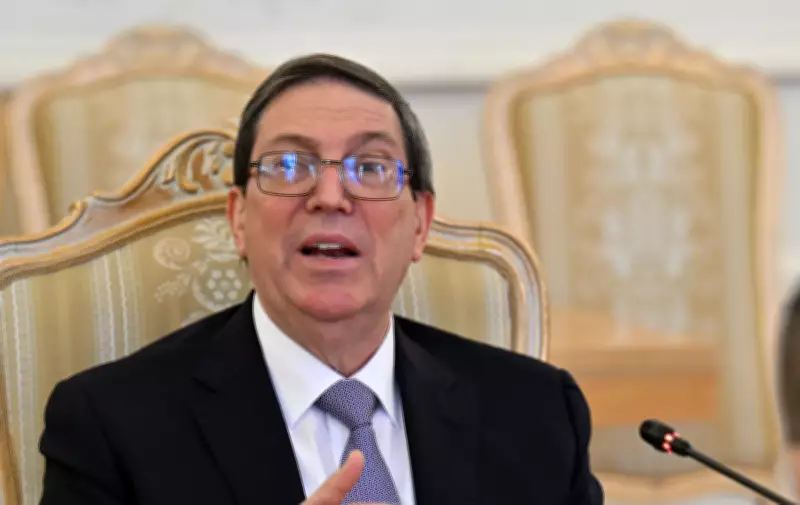
Cuban Foreign Minister Bruno Rodriguez has launched a sharp diplomatic critique, accusing the United States of what he termed 'extorting' Latin American countries. The allegations center on an ongoing, contentious international row concerning medical professionals and their deployment across the region.
A Diplomatic Confrontation Over Healthcare
The dispute highlights long-standing tensions regarding Cuba's medical internationalism program, which sends thousands of doctors and healthcare workers abroad, particularly to nations in Latin America and the Caribbean. Minister Rodriguez's statement frames U.S. opposition to these programs as a form of economic and political coercion aimed at isolating Cuba and pressuring its regional allies.
This accusation adds another layer to the complex relationship between Havana and Washington, which has seen periods of thaw and renewed strain over decades. The foreign minister's choice of the word 'extorting' suggests a deliberate and forceful attempt by the U.S. to undermine Cuba's foreign policy and its partnerships based on medical cooperation.

Regional Implications and the Broader Context
The row over doctors is not an isolated incident but is deeply intertwined with broader geopolitical struggles for influence in Latin America. Cuba's medical brigades are a significant source of soft power and humanitarian aid for the island nation, while also providing crucial healthcare services in partner countries that often face shortages.
U.S. policy has frequently criticized these programs, alleging that they exploit Cuban medical workers and serve primarily political ends for the Cuban government. The current allegations from Havana turn this critique on its head, portraying the U.S. as the actor applying undue pressure on sovereign nations to sever these beneficial health partnerships.
The public nature of this accusation indicates that the dispute is escalating on the diplomatic stage, potentially affecting bilateral relations and regional cooperation frameworks. It underscores how healthcare and human resources can become focal points in international power dynamics, with developing nations caught in the middle of larger ideological and strategic contests.