

China's Strategic Debate Over Global Military Engagement
Diverging perspectives have emerged within China regarding the extent to which Beijing should leverage its economic, diplomatic, and military capabilities to protect its international interests. This internal discussion has gained momentum as the conflict in Iran presents what some analysts view as a strategic opportunity to reshape the global order.
The Hormuz Strait Request and Chinese Response
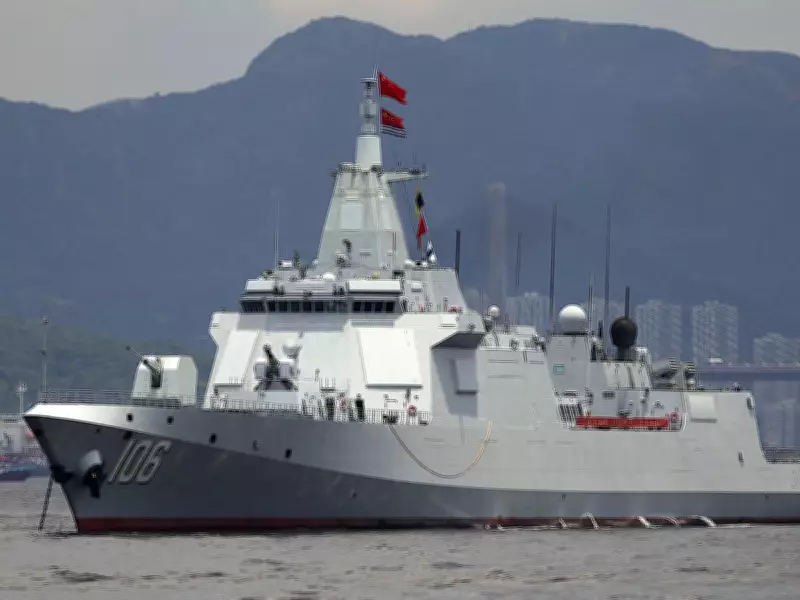
Former U.S. President Donald Trump's call for China to deploy warships to the Strait of Hormuz has been met with firm rejection from Beijing. Chinese state media characterized the demand as an attempt to distribute the risks associated with a conflict initiated by Washington. This episode has inadvertently highlighted a sensitive debate among foreign policy experts in China about whether President Xi Jinping should begin employing military force to influence geopolitical outcomes beyond national borders.
Wu Xinbo, director of Fudan University's Center for American Studies and former Foreign Ministry advisor, articulated the prevailing caution: "What if Iran attacks the U.S. navy but accidentally hits Chinese ships? Why would we get mixed up in this mess? The risk is simply too high." China has not engaged in a major war for nearly fifty years, and there are no indications that Beijing intends to participate in operations that even traditional U.S. allies are avoiding.

Strategic Opening in a Changing World Order
Despite the reluctance to involve itself directly in the Middle East conflict, Chinese scholars recognize a rare strategic opening. As Trump disrupts the rules-based international system established by the United States after World War II, some analysts see an opportunity to construct a world order more aligned with China's interests. Most advocate for a multilateral framework centered on the United Nations that grants greater influence to emerging economies.
However, significant divergences appear regarding how aggressively China should deploy its comprehensive national power overseas. Proponents of a more assertive approach argue that President Xi should expand China's military presence abroad, reconsider the longstanding doctrine of non-interference in other nations' affairs, and intensify efforts to bring Taiwan under Beijing's jurisdiction permanently.
From Exploration to Systematic Protection
Wu Xinbo, while opposing involvement in the current Middle East tensions, suggests that as China's economic footprint expands globally, Beijing must transition "from isolated, rare applications of military power toward a systematic and normalized protection of our interests abroad." He notes that this represents a relatively new challenge for China, emerging only in the past decade, unlike the United States which has maintained global military leadership since World War II with bases stationed worldwide.
Consequences of the Internal Debate
This quiet debate unfolding in writings and interviews by prominent government-affiliated scholars carries profound implications for both rivals and partners. The outcome will likely shape China's trajectory as a rising global superpower and determine how far Beijing is willing to go to influence international events, including potential military applications beyond its borders.
For now, China's response to the Iran conflict follows established patterns: condemning U.S. actions, advocating for diplomatic solutions, and presenting itself as a responsible global power. Beijing has consistently avoided using military force to defend diplomatic allies such as Venezuela and Iran. All of China's security partnerships, except that with North Korea, deliberately lack mutual defense commitments comparable to NATO's Article 5, reflecting continued caution in military engagements abroad.






