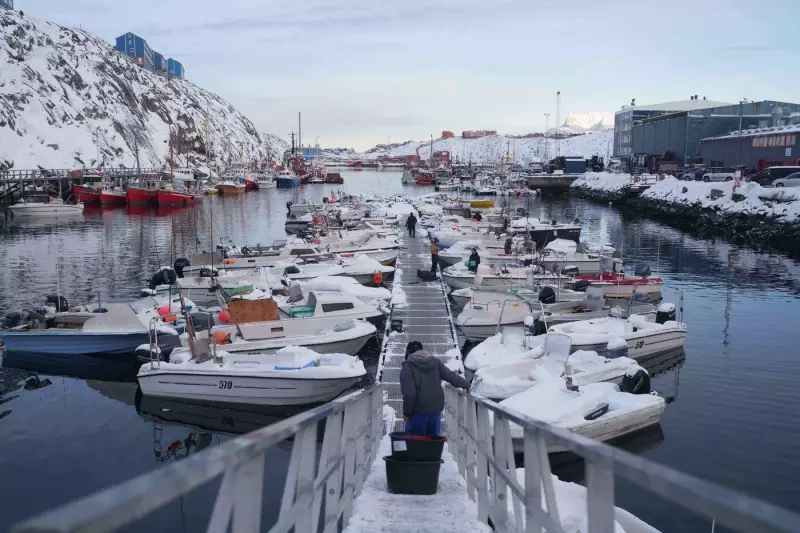
In a significant diplomatic disclosure, former Bank of Canada governor Mark Carney confirmed he held discussions with Chinese President Xi Jinping concerning Greenland and broader issues of Arctic sovereignty. The conversation, which underscores the growing geopolitical importance of the Far North, took place in January 2026.
A High-Level Dialogue on the Arctic
Mark Carney, a key figure in Canadian and international finance, engaged directly with Chinese President Xi Jinping on matters critical to Canada's northern interests. The talks specifically addressed the status of Greenland, a vast, autonomous territory within the Kingdom of Denmark, and the overarching theme of sovereignty in the rapidly changing Arctic region.
This high-level exchange highlights how the Arctic has become a focal point for global powers, driven by climate change opening new shipping routes and access to untapped natural resources. Carney's role in facilitating this dialogue points to the intersection of economic policy, environmental strategy, and international security.

The Geopolitical Stakes in the Far North
The Arctic is no longer a remote frontier but a zone of intense strategic interest. Nations with Arctic coastlines, including Canada, Russia, the United States, Denmark (via Greenland), and Norway, have longstanding claims. However, non-Arctic states like China have declared themselves "near-Arctic" powers and are increasingly seeking influence and investment opportunities in the region.
China's interests in Greenland have been particularly visible, ranging from scientific research to potential investments in mining and infrastructure projects. Discussions about sovereignty are therefore delicate, balancing economic development with the protection of national rights and the fragile polar ecosystem.
Implications for Canadian Policy and Security
Carney's conversation with President Xi carries weight for Canadian foreign policy. It signals a recognition at the highest levels that engaging with major powers on Arctic issues is essential. Canada asserts sovereignty over the Northwest Passage, considering it internal waters, a position contested by other nations, including the United States, which views it as an international strait.
This dialogue emphasizes the need for clear, firm, and proactive Canadian strategy in the Arctic. It involves not only military presence and surveillance but also partnerships with Inuit communities, sustainable development, and robust international diplomacy to safeguard Canadian interests amidst growing global attention on the melting ice cap.
The revelation of this talk serves as a reminder that the future of the Arctic will be shaped by conversations happening in boardrooms and diplomatic chambers today, with profound consequences for Canada's national security, environment, and economic future.