

Canadian Perspective on Trump's Foreign Policy Reveals Global Concerns
An American columnist expresses a wish that his fellow citizens could view Donald Trump through the same critical lens as Canadians, who increasingly see the former president as a significant threat to international peace and stability.
Polling Data Shows Canadian Apprehension
Recent survey results published by Politico in February 2026 revealed that Canadians consider the United States to be the greatest existing threat to global peace, surpassing even Vladimir Putin's Russia in their assessment. The poll indicated that 69 percent of Canadians believe the U.S. tends to create problems for other countries rather than solve them, while 57 percent stated that Trump appears to be seeking conflicts around the world.
Recent Military Actions Validate Concerns
Just eight days after the Politico survey results were released, Trump joined Israel in launching an attack against Iran, initiating a conflict that many observers argue lacks clear justification, strategic planning, or defined objectives. The worldwide consequences of this military engagement are only beginning to unfold, with experts predicting both predictable and unexpected ramifications that will intensify as the conflict continues.

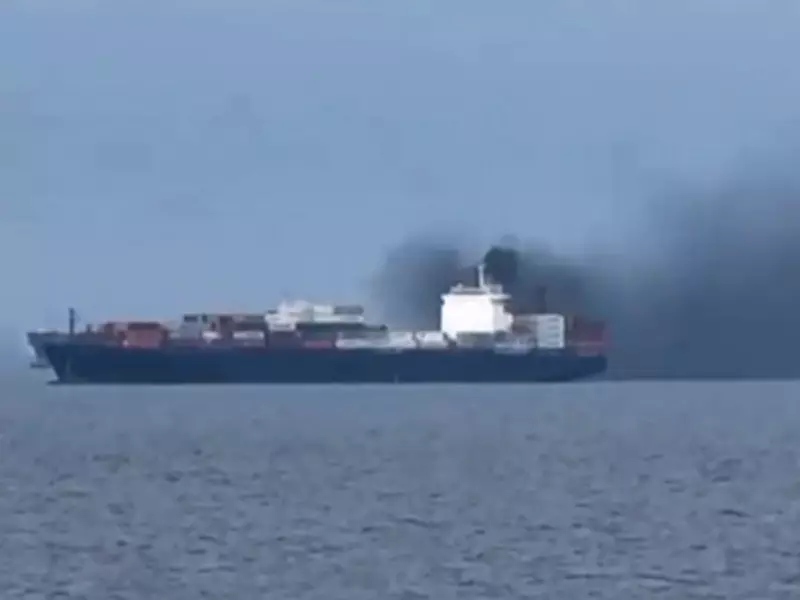
Despite Trump's intermittent declarations of victory, there appears to be no immediate end in sight to the hostilities. The strategic Strait of Hormuz, which normally facilitates the transit of approximately one-fifth of the world's oil supply, has been largely closed, resulting in significant price spikes for petroleum products. This disruption has broader economic implications, as fuel costs and availability directly influence prices across numerous sectors of the global economy.
Iran's Strategic Position and Global Implications
Iran maintains considerable leverage in the ongoing conflict primarily through its ability to threaten global commerce. Nate Swanson, former director for Iran at the U.S. National Security Council, noted in Foreign Affairs that despite substantial damage to Iran's military infrastructure, the regime retains powerful incentives to continue the conflict and possesses various tools to sustain a prolonged war of attrition.
Unless the Strait of Hormuz reopens quickly—a scenario that experts consider unlikely to impossible—the world could experience widespread shipping disruptions and significant supply shortages across multiple industries. The Trump administration has repeatedly demonstrated difficulty anticipating the consequences of its disruptive policy decisions, appearing unprepared for both the international trade realignments triggered by tariffs and Iran's capacity to disrupt critical oil shipments.
Economic Parallels and Inflationary Pressures
The current situation presents troubling parallels to recent global disruptions. The inflationary spikes resulting from logistics chaos during the COVID-19 pandemic provide a template for what might occur if shipping routes remain compromised. The Bank of Canada issued a statement on March 18, 2026, noting that since the outbreak of conflict in the Middle East, global oil and natural gas prices have risen sharply, which will boost global inflation in the near term.
The central bank further warned that beyond energy supply disruptions, transportation bottlenecks stemming from the effective closure of the Strait of Hormuz could impact the supply of other essential commodities, including fertilizers crucial for agricultural production worldwide.
The columnist concludes that the Canadian perspective offers valuable insight into how Trump's foreign policy decisions are perceived internationally, with significant implications for global stability, economic security, and international relations that extend far beyond North American borders.






