

Canada is increasingly becoming a battleground for international conflicts, with recent high-profile murders underscoring a disturbing trend of geopolitical violence on its soil. As combatants from global disputes bring their enmities to Canadian shores, the nation faces challenges in protecting dissenters and bringing perpetrators to justice, especially when suspects flee overseas.
Iranian Dissident Found Dead in British Columbia
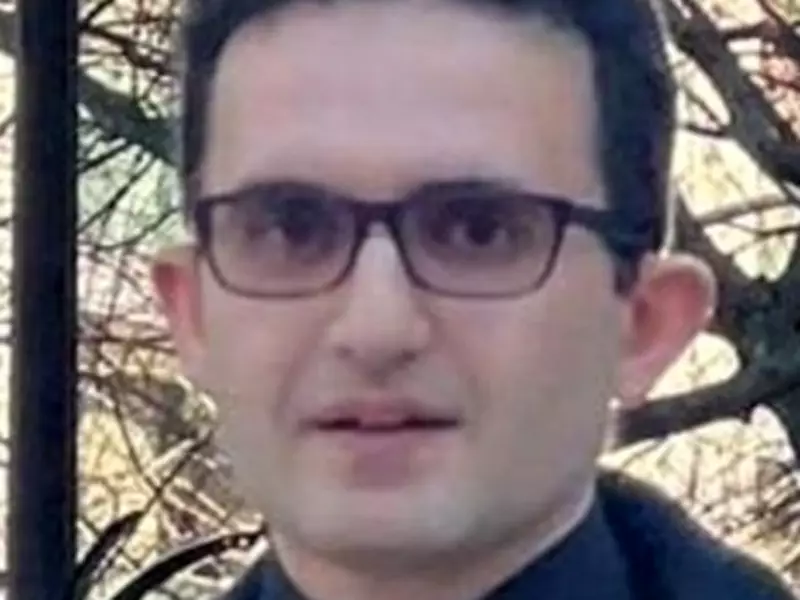
In a chilling case, the remains of Masood Masjoody, a 45-year-old mathematician and teacher at Simon Fraser University, were discovered in Mission, British Columbia, on March 6. Two Iranian-Canadians, Mehdi Ahmadzadeh Razavi, 48, of Maple Ridge, and Arezou Soltani, 45, of North Vancouver, have been charged with first-degree murder in his slaying. Masjoody, a vocal critic of both the current Islamic regime in Tehran and the late Shah of Iran's son, Reza Pahlavi, had a long-standing feud with the accused.
Initially, reports suggested the killers were linked to Iran's Revolutionary Guards, but this remains unclear. A publication ban has been imposed on details from their bail hearing, with the case set to return to court on March 25. Masjoody had filed numerous lawsuits against the accused, alleging defamation and harassment, and was declared a "vexatious litigant" by the B.C. Court of Appeal last year.

Khalistan Critic Stabbed to Death in Ontario
In a separate incident, Nancy Grewal, a 45-year-old outspoken critic of Khalistani separatism, was stabbed to death in LaSalle, Ontario, on March 3. No arrests have been made, but Grewal had faced persistent harassment from supporters of the movement, including a fire set at her home months before her murder. Another fire occurred at her residence after her death, prompting investigations by the Ontario Provincial Police and Windsor Police Service.
Grewal, described as a well-known Punjabi activist, had identified individuals she believed were threatening her life, according to her family. Her mother alleged the murder was part of a larger conspiracy involving three people, including a man from Windsor. This case highlights the risks faced by activists who carry their opposition to Canada.
Suspects Flee Abroad, Complicating Justice
The difficulty in prosecuting such crimes is exacerbated when suspects escape the country. For instance, British Columbia's Integrated Homicide Investigation Team issued a Canada-wide warrant for Amarbir Singh, 24, suspected in the disappearance and death of Navdeep Kaur, whose remains were found in the Fraser River in July 2024. Singh is believed to have fled to India after being interviewed by police, with authorities working with Indian counterparts to extradite him.
Legal expert Richard Kurland notes that extraditing suspects from developing nations like India can be a protracted process, involving politics, diplomacy, and legal hurdles. "If the pockets are deep, you buy top legal talent and you get years in a process," Kurland explained, emphasizing the lack of enforceable deadlines in such cases.
Government and Media Silence Criticized
Despite these alarming incidents, there has been little public discussion from government agencies, the RCMP, CSIS, or the media about the broader pattern of targeting dissenters in Canada. Critics argue that this silence allows such violence to persist unchecked, making it "open season" on those who oppose foreign regimes or movements.
As Canada grapples with these geopolitical murders, the cases of Masood Masjoody and Nancy Grewal serve as stark reminders of the international conflicts spilling onto domestic soil. With suspects often fleeing abroad, justice remains elusive, raising urgent questions about national security and the protection of free speech in a globalized world.






