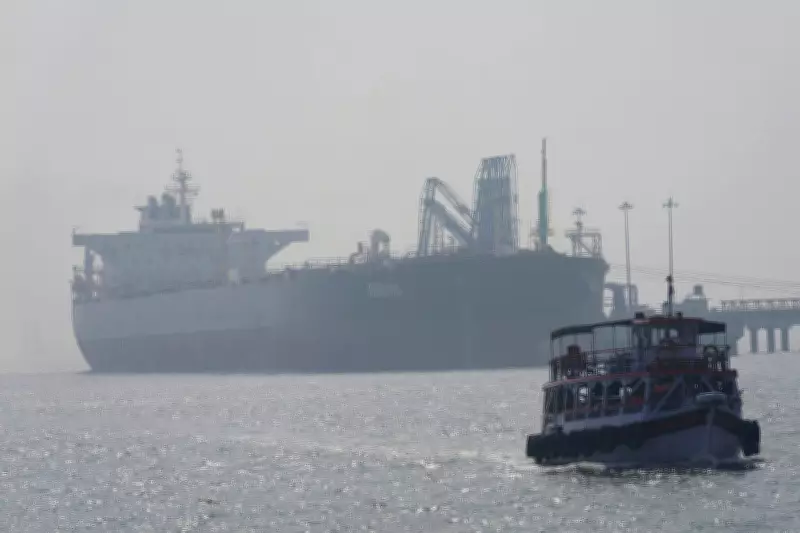
In a significant development amid escalating Middle East tensions, Canada and its key allies have declared readiness to contribute to appropriate efforts concerning the critical Strait of Hormuz blockage. This strategic maritime chokepoint, vital for global oil shipments, has become a focal point as conflicts in the region intensify, with recent events highlighting fractures in international relations and security challenges.
Regional Escalation and Diplomatic Strains
The announcement follows a series of destabilizing incidents, including Iran's overnight retaliatory attacks after the killing of a security chief, which were reported by CTV News in Dubai. Simultaneously, the situation in Lebanon has deteriorated due to intensified Israeli strikes, compounding regional instability. These actions underscore the volatile environment impacting maritime routes like the Strait of Hormuz, where any disruption could have far-reaching economic consequences.
U.S.-Israel Dynamics Under Scrutiny
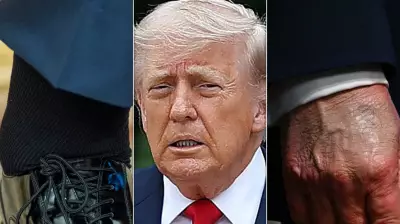
Political analysts note that the attack on South Pars has revealed cracks in the relationship between Israel and the United States. Former U.S. President Donald Trump commented on his conversation with Israeli Prime Minister Netanyahu, stating, 'I told him don't do that', reflecting tensions over Middle East conflict resolution. Experts, such as Fraser, warn that 'Israel is going to create problems' for Trump in efforts to de-escalate the situation, adding complexity to allied responses.

International and Domestic Contexts
On the international stage, the U.S. Senate has grilled Trump's top intelligence officials over the war in Iran, while the Pentagon seeks an additional US$200 billion in funds for the conflict, according to an AP source. Domestically, Canada faces its own challenges, with issues ranging from a federal IT project cost exploding to up to $6.6 billion to health and environmental concerns, but the focus remains on global security contributions.
Broader Implications for Global Trade
The Strait of Hormuz blockage threat comes as trade with Cuba collapses under Trump's pressure on Communist Party leadership, highlighting broader geopolitical shifts. Canada's commitment to maritime security efforts aligns with its role in maintaining international trade flows, especially given the region's significance for energy exports. Allies are coordinating to prevent further escalation that could disrupt global supply chains.
As Middle East conflicts persist, with ongoing military actions and diplomatic friction, Canada and its partners are positioning themselves to address the Strait of Hormuz issue proactively. This readiness reflects a concerted effort to stabilize a key global artery amid rising tensions, ensuring that collaborative measures can mitigate risks to international security and economic stability.