

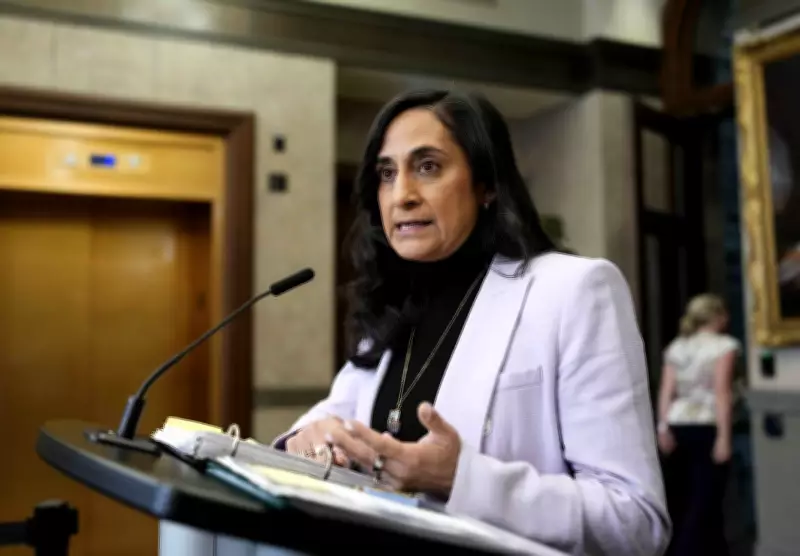
Anand Stresses Legal Compliance in Canada's Potential Iran War Role
Foreign Affairs Minister Anita Anand has publicly clarified that any potential Canadian involvement in the ongoing conflict involving Iran must strictly conform to the nation's established legal and policy frameworks. This statement comes amid increasing international tensions and discussions regarding global responses to the situation in the Middle East.
Minister's Firm Stance on Policy Adherence
In a recent address, Minister Anand underscored the importance of operating within Canada's constitutional and international legal obligations. "All actions taken by Canada, whether diplomatic or otherwise, must be grounded in our legal principles and foreign policy objectives," Anand stated. This position reinforces the government's commitment to a rules-based international order and responsible global citizenship.
The minister's comments highlight a cautious and principled approach, ensuring that any decisions are not made impulsively but are instead carefully vetted against:

- Domestic legislation and parliamentary oversight mechanisms.
- International treaties and agreements to which Canada is a signatory.
- Established foreign policy doctrines aimed at promoting peace and security.
Context of Broader Middle East Engagement
This clarification follows Anand's earlier announcement regarding federal aid for nations affected by the war in the Middle East, delivered in the Foyer of the House of Commons on Parliament Hill. The aid initiative demonstrates Canada's ongoing humanitarian efforts in the region, separate from any military considerations.
The timing of this statement is significant, as it addresses growing public and political scrutiny over how democracies like Canada should respond to complex international conflicts. By emphasizing legal and policy frameworks, Anand aims to provide transparency and reassure both domestic and international audiences of Canada's methodical stance.
Implications for Canadian Foreign Policy
Anand's remarks serve as a reminder of the procedural rigor that governs Canadian foreign affairs. This approach ensures that any engagement, particularly in volatile regions like the Middle East, is sustainable and aligns with national interests and values. The minister's focus on frameworks suggests a preference for diplomatic and humanitarian channels over direct military intervention, unless explicitly sanctioned under international law.
As the situation evolves, the Canadian government will likely continue to assess its role through this lens, balancing global responsibilities with strict adherence to its legal and ethical standards. This measured strategy aims to protect Canada's international reputation while contributing to stability in conflict zones.






