Amid a fragile and partial ceasefire in the conflict between Israel and Hamas, advocates for Gaza are issuing a direct plea to the Canadian government: the profound and persistent suffering of Palestinian civilians must not be ignored or forgotten.
A Ceasefire Amid Ongoing Crisis
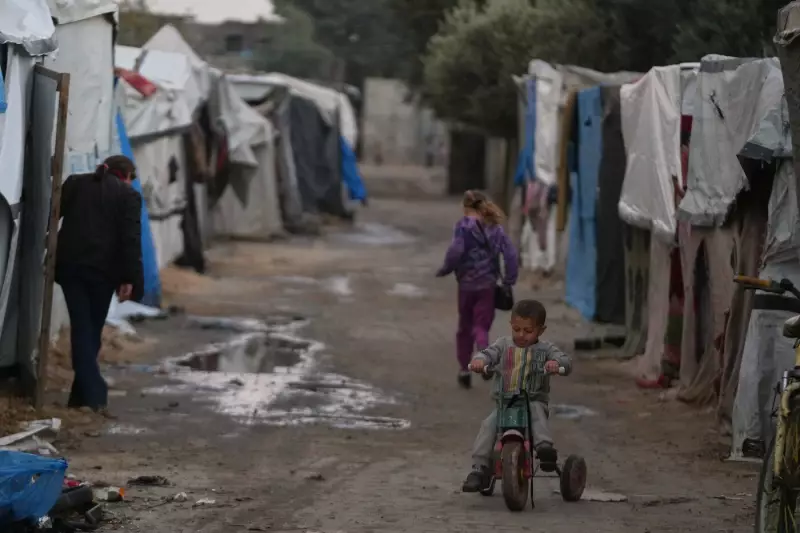
The call for sustained international attention comes even as a tentative halt in hostilities took effect on December 23, 2025. The scene on the ground, however, remains one of severe hardship. In central Gaza's Deir al-Balah, displaced families continue to live in sprawling makeshift tent camps, a stark visual testament to the enduring humanitarian disaster. Photographs from the area, including one from The Associated Press dated December 23, show the grim reality of daily life, such as a child riding a tricycle through a narrow alley between tents.
Advocates argue that while the reduction in active bombardment is a critical relief, it does not equate to an end of the crisis. The infrastructure necessary for survival—including healthcare, clean water, and adequate shelter—has been devastated. They emphasize that the partial nature of the ceasefire leaves many underlying issues unresolved and millions of people in a state of acute vulnerability.

The Call for Canadian Action and Moral Leadership
The appeal directed at Ottawa is multifaceted. Proponents are urging Canada to leverage its diplomatic influence to push for a permanent and comprehensive peace agreement. More immediately, they are calling for a significant increase in humanitarian aid and for Canada to champion the protection of civilian lives and infrastructure as a core tenet of its foreign policy.
The central message is that global attention, and by extension political will, must not wane simply because headlines have shifted. The advocates stress that the suffering in Gaza is a protracted emergency requiring a sustained and robust international response. They view Canada's role as pivotal, given its historical position on the world stage and its stated commitments to human rights and international law.
The Path Forward and International Context
The situation places the Canadian government in a complex position, balancing its stated support for Israel's right to self-defence with its obligations to address severe humanitarian suffering. The advocates' campaign aims to ensure that the plight of Palestinian civilians remains high on the Canadian foreign policy agenda during this fragile period and beyond.
As the world observes whether the current pause in fighting can evolve into a more durable peace, these groups insist that the immediate human cost demands action. They warn that failing to address the root causes of the crisis and the urgent needs of the population risks condemning Gaza to further cycles of destruction and despair. The coming weeks will test the international community's commitment to turning a temporary truce into a lasting solution, with advocates watching Canada's next moves closely.