Pakistan Moves Forward with Preparations for Iran-U.S. Negotiations as Tehran's Role Remains Unclear
Pakistan is actively continuing its preparations for the upcoming second round of negotiations between the United States and Iran, despite ongoing uncertainty regarding Tehran's participation in the talks. The diplomatic efforts are proceeding as planned, with Islamabad serving as the host city for these critical discussions aimed at addressing regional tensions.
Heightened Security Measures in Islamabad
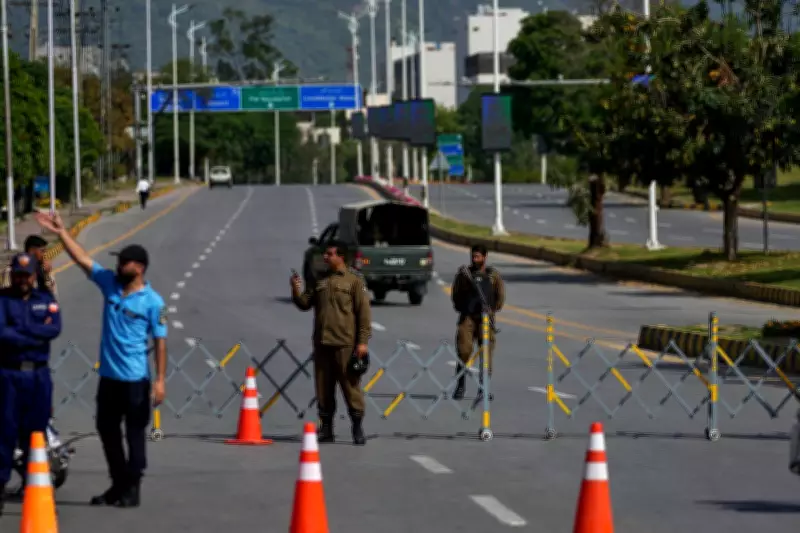
In anticipation of the negotiations, security has been significantly bolstered throughout Islamabad. Police officers have been deployed at various checkpoints across the city to ensure safety and maintain order during the diplomatic proceedings. These measures underscore the importance Pakistan places on facilitating a secure environment for what could be pivotal talks between the two nations.
The visual presence of law enforcement personnel at strategic locations highlights the government's commitment to hosting the event without incident. This security deployment comes as part of standard protocol for high-profile international meetings, particularly those involving sensitive geopolitical matters.

Uncertain Participation from Iran
While Pakistan presses ahead with logistical arrangements, questions persist about whether Iranian representatives will actually attend the scheduled negotiations. The ambiguity surrounding Tehran's involvement adds a layer of complexity to the planning process, yet Pakistani officials appear determined to proceed with all necessary preparations regardless of this uncertainty.
This diplomatic initiative represents Pakistan's ongoing effort to position itself as a mediator in regional conflicts and strengthen its international diplomatic standing. The country has historically maintained relationships with both Iran and the United States, making it a potentially suitable venue for such discussions.
Broader Regional Implications
The potential talks between Iran and the United States carry significant implications for Middle Eastern stability and global diplomacy. Successful negotiations could potentially ease tensions that have persisted for years, while failure to convene or achieve progress might further complicate an already volatile regional landscape.
Pakistan's proactive approach to hosting these talks demonstrates its willingness to engage in complex international diplomacy, even when outcomes remain uncertain. The country's diplomatic corps continues to work behind the scenes to ensure all logistical elements are in place should the negotiations proceed as hoped.
As the scheduled date approaches, international observers will be watching closely to see whether Tehran confirms its participation and whether these talks can produce meaningful dialogue between two nations with a history of strained relations. Pakistan's preparations continue unabated, reflecting a commitment to diplomatic engagement regardless of the challenges involved.