U.S. and Iran Signal Return to Pakistan for Ceasefire Negotiations
Officials from the United States and Iran have indicated their intention to resume ceasefire talks in Islamabad, Pakistan, according to recent statements. This development marks a renewed diplomatic effort to address the ongoing conflict in the Middle East, with both nations preparing for a second round of negotiations.
Diplomatic Moves Amid Regional Tensions
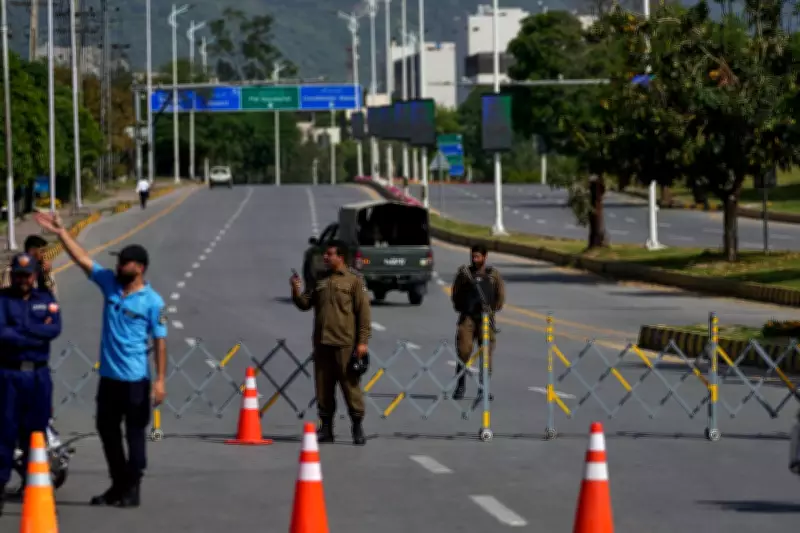
The decision to reconvene in Pakistan follows initial discussions that took place earlier, highlighting Islamabad's role as a neutral venue for these critical talks. Security measures were notably heightened in the capital, with police officers standing guard at checkpoints ahead of the scheduled meetings on Tuesday, April 21, 2026. This underscores the sensitivity and importance of the negotiations, which aim to broker a ceasefire that could de-escalate hostilities in the region.
Sources close to the matter reveal that the talks are part of a broader international push to stabilize the area, though specific details on the agenda remain closely guarded. The involvement of Pakistan, a key player in regional diplomacy, is seen as a strategic choice to facilitate dialogue between the two adversarial nations.

Context and Implications
This diplomatic initiative comes at a time of heightened global focus on Middle Eastern conflicts, with various stakeholders urging peaceful resolutions. The return to negotiations suggests a willingness from both the U.S. and Iran to explore diplomatic avenues, despite previous setbacks and ongoing disagreements. Analysts note that successful ceasefire talks could have far-reaching effects, potentially reducing violence and opening doors for further cooperation on regional issues.
However, challenges persist, as historical tensions and differing geopolitical interests may complicate the process. The outcome of these talks will be closely monitored by international observers, who hope for a breakthrough that could lead to sustained peace efforts.
Looking Ahead
As preparations for the resumed talks continue, officials from both sides are expected to engage in preliminary discussions to set the stage for substantive negotiations. The international community, including allies and neighboring countries, has expressed cautious optimism about this renewed dialogue, emphasizing the need for constructive engagement to achieve a lasting ceasefire.
In summary, the signal from U.S. and Iranian officials to return to Pakistan for ceasefire talks represents a significant step in international diplomacy, with potential implications for regional stability and global relations. The world watches as these nations navigate complex negotiations in pursuit of peace.