Former UK Official Alleges Political Interference in Ambassador Approval Process
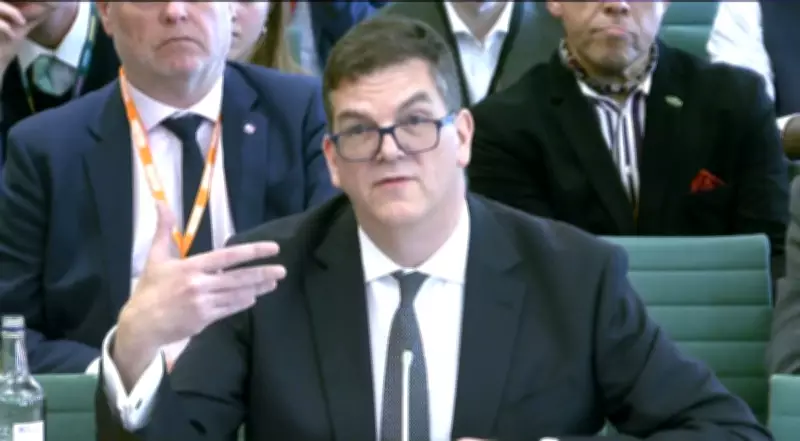
A former high-ranking official from the United Kingdom's Foreign, Commonwealth & Development Office (FCDO) has publicly claimed that he experienced significant political pressure to approve the appointment of Mandelson as the U.S. ambassador. Sir Olly Robbins, who was recently dismissed from his position, made these allegations during a testimony before the Foreign Affairs Committee at the Houses of Parliament in London on Tuesday, April 21, 2026.
Testimony Reveals Tensions in Diplomatic Appointments
In his appearance, Sir Olly Robbins detailed how he felt compelled by political forces within the government to fast-track the approval of Mandelson for the ambassadorial role. He emphasized that this pressure undermined the standard vetting and evaluation procedures typically followed for such critical diplomatic positions. The committee members listened intently as Robbins described instances where his professional judgment was overridden by what he perceived as partisan interests.
This revelation has ignited a broader debate about the integrity of diplomatic appointments and the potential for political manipulation in foreign policy decisions. Critics argue that such interference could compromise the effectiveness and credibility of UK representation abroad, while supporters of the government maintain that all appointments are made with national interests in mind.

Context and Implications for UK-US Relations
The timing of these allegations is particularly sensitive, given the ongoing efforts to strengthen UK-US ties amid global economic and security challenges. Mandelson's proposed appointment had been seen as a strategic move to bolster bilateral relations, but Robbins' claims suggest internal conflicts within the UK government may have complicated the process.
Experts in international relations have noted that political pressure in ambassador selections is not uncommon, but public disclosures like this are rare and can have lasting repercussions. The Foreign Affairs Committee is expected to continue its investigation, potentially calling other witnesses to provide further insights into the approval mechanisms and any undue influences.
As the story develops, it raises questions about transparency and accountability in government operations, with implications for public trust and diplomatic efficacy. The outcome of this inquiry could lead to reforms in how ambassadorial candidates are evaluated and appointed in the future.