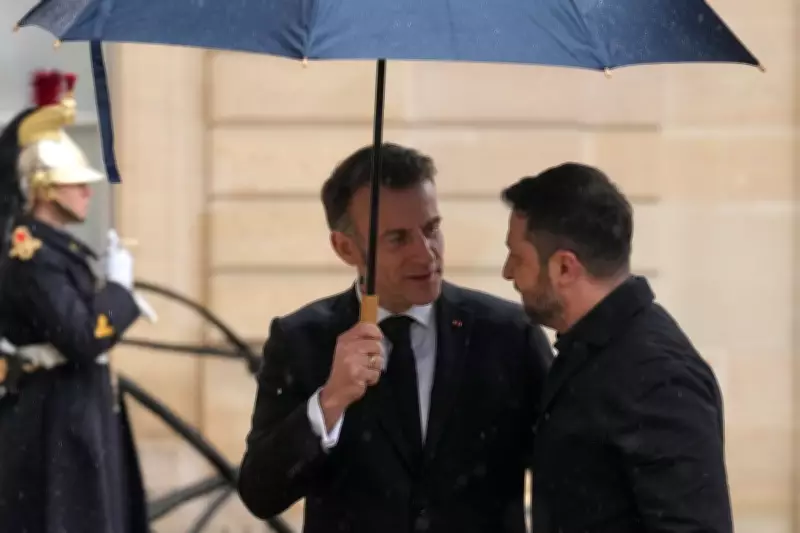
Ukrainian President Volodymyr Zelenskyy has voiced strong opposition to a recent United States policy move, labeling a 30-day waiver on sanctions against Russian oil as "not the right decision." The criticism came during a high-profile meeting with French President Emmanuel Macron at the Elysee Palace in Paris on Friday, March 13, 2026, amid ongoing tensions in the Russia-Ukraine conflict.
Diplomatic Tensions Over Sanctions Relief
The U.S. waiver, which temporarily eases restrictions on Russian oil imports, has sparked controversy as it provides a brief reprieve for energy transactions involving Russia. Zelenskyy's remarks highlight growing concerns among Ukrainian leaders that such measures could undermine international efforts to pressure Russia economically and weaken the impact of sanctions imposed since the war's escalation.
Zelenskyy's Stance on International Support
During the Paris meeting, Zelenskyy emphasized the need for unwavering international solidarity against Russian aggression. "In times of conflict, every decision must align with the goal of ending hostilities and supporting Ukraine's sovereignty," he stated, indirectly referencing the U.S. waiver. This position underscores Ukraine's reliance on global allies for military and economic aid, with sanctions being a key tool in isolating Russia.

Macron's Role and European Perspectives
French President Emmanuel Macron, hosting Zelenskyy, reiterated France's commitment to supporting Ukraine but did not directly comment on the U.S. waiver. The meeting focused on coordinating European responses and bolstering defense cooperation. Analysts suggest that Macron's diplomacy aims to bridge gaps between U.S. and European policies, as some EU nations have also expressed reservations about the waiver's potential to dilute sanctions effectiveness.
Broader Implications for Global Energy Markets
The 30-day waiver comes amid volatile global energy markets, with Brent crude oil prices recently crossing US$100 per barrel due to supply disruptions. Critics argue that easing sanctions, even temporarily, could stabilize Russian oil revenues, thereby funding its military operations. Proponents of the waiver cite the need to prevent further economic instability and energy shortages in allied nations.
Historical Context and Future Outlook
Since the war began, the U.S. and its allies have implemented sweeping sanctions targeting Russia's energy sector, a major source of its economy. The waiver represents a nuanced approach, balancing pressure on Russia with pragmatic energy needs. However, Zelenskyy's criticism signals that Ukraine views any leniency as a setback. Moving forward, international diplomacy will likely continue to grapple with these tensions, as stakeholders weigh humanitarian, economic, and strategic factors in the conflict's resolution.