The White House has firmly defended the practice of praying for American troops involved in the ongoing conflict with Iran, following controversial remarks from Pope Leo XIV suggesting that God rejects the prayers of those who wage war. This response came during a press briefing on Monday, where officials emphasized the spiritual support for servicemembers.
Pope's Palm Sunday Homily Sparks Debate
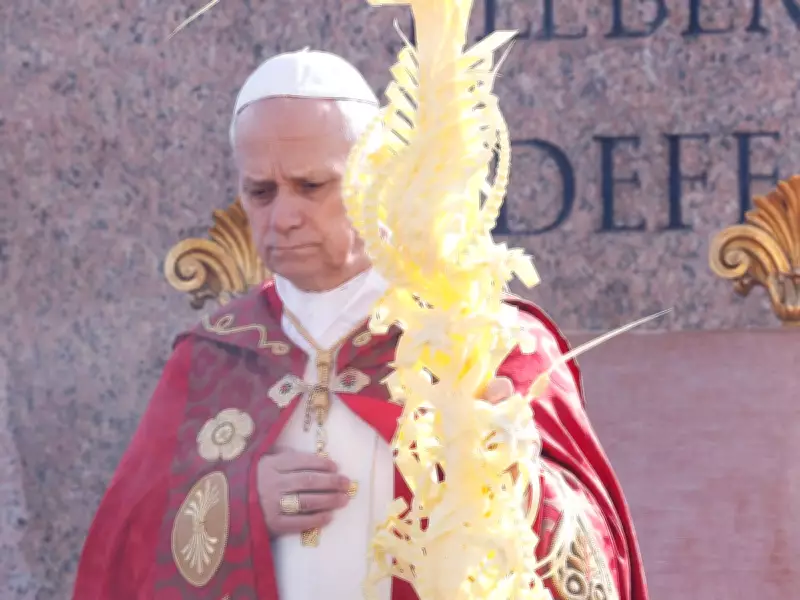
During his Palm Sunday homily at St. Peter's Square in the Vatican on March 29, 2026, Pope Leo XIV made a striking statement that has resonated globally. "This is our God... A God who refuses war... who does not listen to the prayer of those who wage war," the pontiff declared, directly addressing the moral implications of warfare and divine intervention.
The U.S.-born pope, who has consistently condemned the U.S.-Israel military actions against Iran and advocated for diplomatic dialogue, delivered these words as the Middle East conflict entered its second month. Despite his strong stance against the war, Pope Leo has maintained a cautious approach in his public statements since the strikes began on February 28, avoiding direct naming of parties while calling for peace.

White House Response and Defense of Prayer
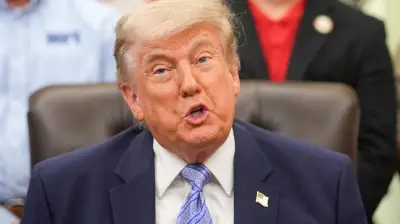
In response to questions about the pope's comments, White House Press Secretary Karoline Leavitt articulated a robust defense of prayer for military personnel. "I don't think there is anything wrong with our military leaders or with the president calling on the American people to pray for our servicemembers and those who are serving our country overseas," Leavitt told reporters.
She further elaborated, highlighting the historical and cultural significance of prayer in American military tradition. Leaders and troops have prayed "during the most turbulent times in our nation's history, and if you talk to many servicemembers they will tell you they appreciate the prayers," Leavitt added. "In fact, I think it's a very noble thing to do."
Administration's Religious Displays and Values
The Trump administration, including Leavitt, Vice President JD Vance, and Secretary of State Marco Rubio—all of whom are Catholic—has frequently showcased their Christian faith in public settings. At the start of the press conference, Leavitt mentioned that her team had just concluded a "little loud prayer" before the briefing began, underscoring the administration's commitment to religious expression.
Defense Secretary Pete Hegseth has also employed quasi-religious language to frame the conflict with Iran. Last week, he offered a prayer at the Pentagon, stating, "Let every round find its mark against the enemies of righteousness and our great nation," blending military objectives with spiritual appeals.
Leavitt reinforced this perspective by noting that the United States was founded on Judeo-Christian values, which she believes justify and sanctify prayers for troops in combat zones. This stance aligns with the administration's broader emphasis on faith-based governance and support for the armed forces.
Broader Context and Papal Calls for Peace
Pope Leo XIV's comments are part of his ongoing advocacy for peace in the Middle East. Last week, he called for a ceasefire, noting that over a million people have been displaced by the conflict and urging warring parties to engage in talks. His message reflects a deep concern for humanitarian issues and a rejection of violence as a means of resolution.
Despite the pope's cautious tone in not naming specific nations, his homily has ignited a significant debate about the role of prayer in wartime and the ethical dimensions of military engagement. The White House's response underscores a fundamental disagreement on this theological and moral issue, highlighting the tension between spiritual guidance and national defense priorities.
As the conflict continues, the discourse around prayer, faith, and warfare remains a poignant and divisive topic, with both religious and political leaders weighing in on its implications for troops and global peace efforts.