Venezuelan Opposition Figure Juan Pablo Guanipa Regains Freedom Following Lengthy Detention
In a notable turn of events within Venezuela's turbulent political landscape, opposition lawmaker Juan Pablo Guanipa has been released from prison after spending eight months behind bars. His detention had drawn international attention and concern from human rights advocates monitoring the situation in the South American nation.
A Vocal Critic of the Maduro Government
Juan Pablo Guanipa has long been a prominent and outspoken critic of President Nicolas Maduro's administration. His political career includes serving as a member of the National Assembly, where he has consistently challenged government policies and highlighted issues affecting Venezuelan citizens.
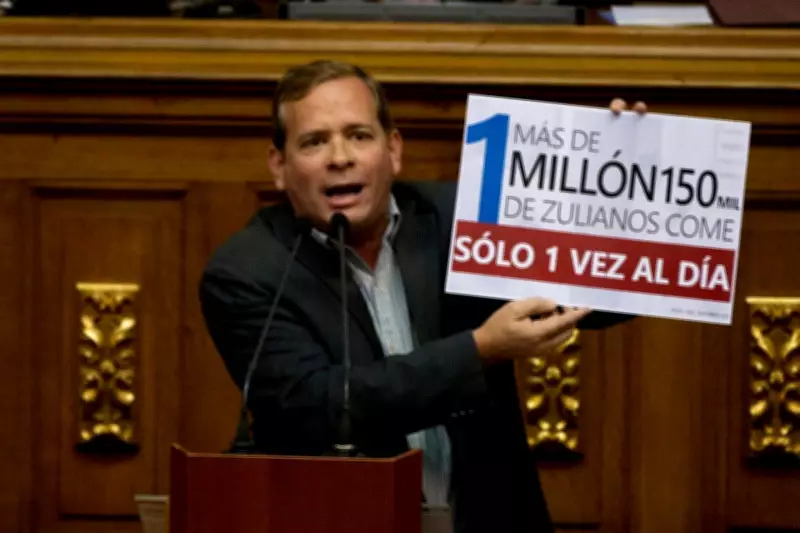
One particularly memorable moment occurred in December 2016 when Guanipa displayed a sign during a parliamentary session that read in Spanish: "More than a million residents of Zulia State eat only once a day." This dramatic protest underscored the severe economic and humanitarian challenges facing many Venezuelans amid the country's prolonged crisis.

The Circumstances of His Detention and Release
While specific details regarding the charges that led to Guanipa's imprisonment remain somewhat unclear, his case has been viewed by many international observers as part of a broader pattern of political persecution against opposition figures in Venezuela. The eight-month period of detention represents a significant chapter in the ongoing struggle between Maduro's government and its political opponents.
The timing of his release, coming in early February 2026, suggests potential shifts in Venezuela's political dynamics or possibly reflects international pressure on the Maduro administration regarding human rights concerns. However, the exact conditions and terms of his freedom have not been fully disclosed to the public at this time.
Broader Implications for Venezuelan Politics
Guanipa's release occurs against the backdrop of continuing economic challenges and political tensions in Venezuela. The country has experienced:
- Severe hyperinflation that has devastated the economy
- Widespread shortages of basic necessities including food and medicine
- Mass emigration as citizens seek better opportunities abroad
- Ongoing international sanctions and diplomatic pressure
Political analysts will be watching closely to see whether Guanipa's release signals a potential opening for dialogue between the government and opposition forces, or whether it represents merely a tactical move within the larger political conflict.
International Response and Human Rights Concerns
Human rights organizations have consistently raised concerns about the treatment of political prisoners in Venezuela, with numerous reports documenting questionable legal proceedings and harsh prison conditions. Guanipa's case had been among those highlighted by international monitors calling for greater respect for democratic norms and human rights protections.
The international community, including neighboring countries and global powers, has maintained varying degrees of engagement with Venezuela's political situation, with some nations recognizing Maduro's government while others support opposition leader Juan Guaidó as the legitimate interim president.
As Juan Pablo Guanipa returns to public life, his experience of imprisonment and subsequent release adds another chapter to Venezuela's complex political narrative. The coming weeks and months will reveal whether this development represents a meaningful shift toward political reconciliation or merely a temporary pause in the ongoing struggle for Venezuela's future direction.