U.S. Diplomatic Concerns Emerge Over Ukrainian Military Actions Affecting American Oil Assets in Russia
In a significant development within the ongoing Russia-Ukraine conflict, the United States has formally raised concerns with Ukrainian officials regarding military strikes aimed at Russian targets that have inadvertently impacted American oil interests. This diplomatic communication underscores the complex international ramifications of the war, now extending into its fourth year, as global economic stakes intertwine with military strategies.
Background and Context of the Strikes
The concerns were reportedly conveyed through diplomatic channels, highlighting instances where Ukrainian efforts to disrupt Russian infrastructure, such as oil facilities, have affected assets linked to U.S. companies or investments. These strikes are part of Ukraine's broader strategy to weaken Russia's economic and military capabilities by targeting key sectors, including energy, which is a cornerstone of the Russian economy.
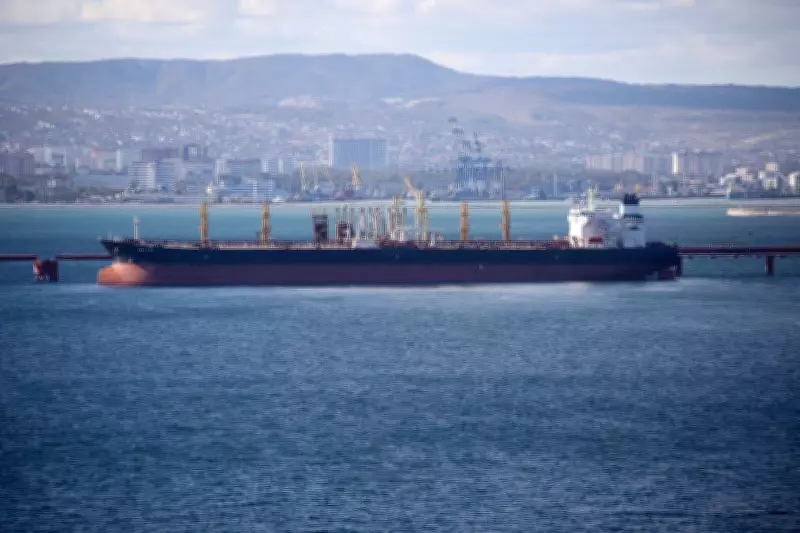
However, the globalized nature of the oil industry means that many facilities in Russia have international partnerships or ownership stakes, leading to unintended consequences for foreign entities. The Sheskharis complex in Novorossiysk, for example, operated by Chernomortransneft JSC—a subsidiary of the state-owned Transneft PJSC—has been cited in past reports as a site of interest, though specific details of recent impacts remain classified for security reasons.

Implications for U.S.-Ukraine Relations
This development poses a delicate challenge for U.S.-Ukraine relations, which have been largely supportive since the full-scale invasion began in 2022. The United States has been a key ally, providing substantial military aid and diplomatic backing to Ukraine. However, the protection of American economic interests abroad adds a layer of complexity to this alliance, requiring careful navigation to avoid straining ties.
Experts suggest that such concerns are not uncommon in wartime scenarios where collateral damage can affect multinational corporations. The U.S. government's approach likely involves balancing support for Ukraine's sovereignty with safeguarding its own economic assets, emphasizing the need for precision in military operations to minimize unintended impacts.
Wider Economic and Geopolitical Ramifications
The situation highlights the broader economic interdependencies in the global oil market. Russia remains a major player in energy exports, and disruptions to its infrastructure can ripple through international markets, affecting prices and supply chains. For the U.S., which has imposed sanctions on Russian oil but still contends with global market dynamics, protecting its interests is crucial for economic stability.
Moreover, this issue may influence future military and diplomatic strategies. It could lead to increased coordination between the U.S. and Ukraine on target selection, ensuring that strikes are more narrowly focused to avoid harming allied interests. This could involve sharing intelligence or refining operational protocols to better align with international economic considerations.
Looking Ahead: Potential Resolutions and Ongoing Challenges
As the conflict continues, resolving these concerns will be vital for maintaining strong bilateral relations. Possible steps include enhanced dialogue between U.S. and Ukrainian officials to establish clearer guidelines for military actions affecting economic assets, or compensatory measures for any damages incurred. However, the fog of war and the evolving nature of the conflict mean that such issues may persist, requiring ongoing attention and adaptation.
In summary, the U.S. raising concerns over Ukrainian strikes impacting American oil interests in Russia reflects the intricate web of economic and military factors at play in the Russia-Ukraine war. It underscores the need for strategic foresight and diplomatic finesse as nations navigate the treacherous waters of international conflict and cooperation.