U.S. Labor Secretary Lori Chavez-DeRemer Steps Down Following Abuse of Power Allegations
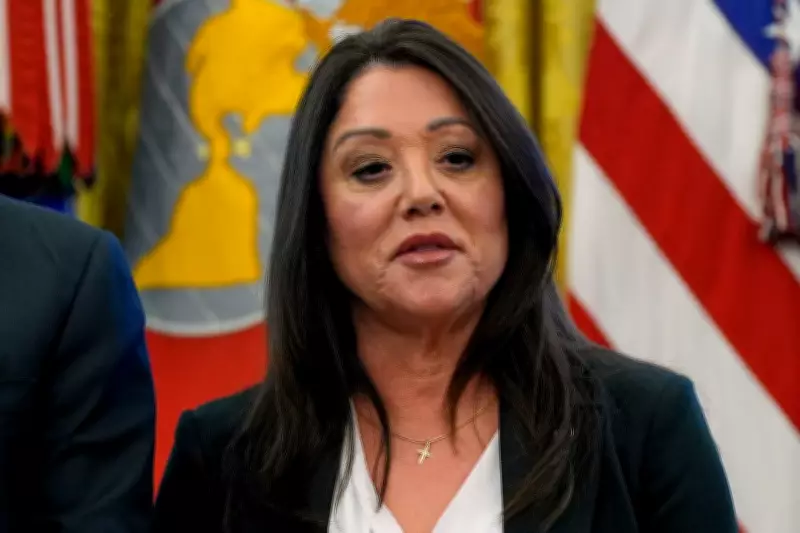
In a significant political development, U.S. Labor Secretary Lori Chavez-DeRemer has announced her resignation from President Donald Trump's Cabinet. The decision comes in the wake of serious allegations regarding the abuse of power, which have cast a shadow over her tenure. Chavez-DeRemer's departure marks a notable shift in the administration's leadership as it navigates ongoing challenges in labor and economic policy.
Background and Context of the Allegations
Lori Chavez-DeRemer, who had been serving as the U.S. Labor Secretary, faced mounting scrutiny over accusations that she misused her authority. While specific details of the allegations have not been fully disclosed, sources indicate they involve potential ethical violations and overreach in her official capacity. These claims prompted internal reviews and public pressure, ultimately leading to her decision to leave the Cabinet.
Chavez-DeRemer was appointed to the position in 2025 and was known for her involvement in key labor initiatives, including executive orders signed by President Trump. Her resignation underscores the heightened accountability measures within the federal government and the impact of such controversies on high-profile appointments.

Implications for the Trump Administration
The exit of Chavez-DeRemer from the Cabinet could have broader implications for the Trump administration's labor policies and political stability. As Labor Secretary, she played a crucial role in shaping regulations affecting workers' rights, wage standards, and employment practices. Her departure may lead to delays or revisions in pending labor reforms, depending on her successor's approach.
Moreover, this incident highlights the ongoing challenges faced by the administration in maintaining ethical standards and public trust. It follows a pattern of Cabinet turnovers that have characterized Trump's presidency, reflecting the volatile nature of political appointments in recent years.
Reactions and Future Outlook
Reactions to Chavez-DeRemer's resignation have been mixed, with some political analysts viewing it as a necessary step to uphold integrity, while others see it as a setback for labor advocacy. The White House has yet to announce a replacement, but speculation is rife about potential candidates who could steer the Department of Labor in a new direction.
Looking ahead, the focus will likely shift to how the administration addresses the allegations and implements measures to prevent similar issues. This event serves as a reminder of the importance of transparency and accountability in government roles, especially in positions influencing national labor markets.
In summary, Lori Chavez-DeRemer's resignation amid abuse of power allegations marks a pivotal moment in U.S. political history, with potential ripple effects on labor policy and administrative ethics. As the situation unfolds, stakeholders will be closely monitoring developments to assess the long-term impact on the nation's workforce and governance.