Trump Signals Ceasefire Extension Unlikely Without Iran Peace Deal
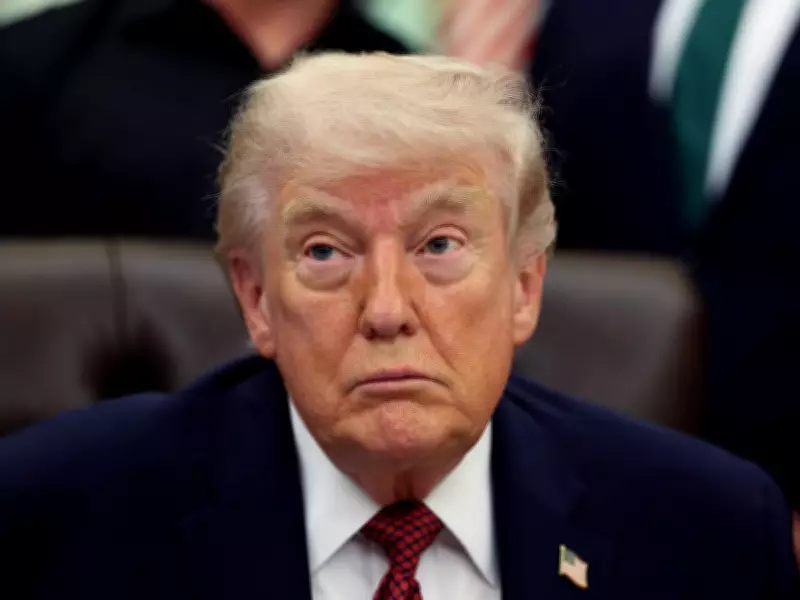
U.S. President Donald Trump has indicated that the two-week ceasefire with Iran is unlikely to be extended unless a comprehensive peace agreement is reached. In a Monday phone interview, Trump emphasized that he will not be pressured into accepting a subpar deal, stating, "I'm not going to be rushed into making a bad deal. We've got all the time in the world."
Ceasefire Deadline and Negotiation Dynamics
The truce, announced by Trump on April 7, is set to expire on "Wednesday evening Washington time," according to the president. While this deadline may provide additional time for diplomatic efforts, Trump noted it is "highly unlikely that I'd extend it" if no deal is finalized beforehand. The comments underscore the urgency for negotiators to bridge differences and secure a lasting resolution to the conflict.
Details about the next round of negotiations are emerging, with a session expected to take place in Pakistan. Iran is reportedly sending a team, although the delegation's leadership remains unclear. Earlier, Tehran expressed hesitation about participating in further peace talks with the United States, reflecting ongoing tensions.

Key Issues and Strategic Posturing
Trump reiterated that the Strait of Hormuz will remain blockaded until a deal is signed, stating, "the Iranians desperately want it opened. I'm not opening it until a deal is signed." Iran had previously indicated it would open the critical waterway for international shipping but reversed that decision in response to Trump's stance. The blockade has significantly disrupted global energy supplies, contributing to a worldwide crisis.
Vice President JD Vance is scheduled to depart later on Monday to resume negotiations, potentially by "Tuesday night or Wednesday morning." He is expected to be joined by Trump's son-in-law Jared Kushner and special envoy Steve Witkoff, highlighting the high-level involvement in the talks.
Optimism Amidst Mistrust and Threats
Despite the challenges, Trump struck an optimistic note about the discussions, saying he would love to participate in person but does not believe it will be necessary. "There's going to be a meeting. They want a meeting, and they should want a meeting. And it can work out well," he remarked.
However, both sides are actively jockeying for leverage ahead of the negotiations. Iranian President Masoud Pezeshkian posted on social media that "deep historical mistrust in Iran toward U.S. gov conduct remains" and declared that "Iranians do not submit to force." This message followed Trump's warning that Iran would "be hit very hard" if no deal is reached.
Iran's Parliament Speaker Mohammad Bagher Ghalibaf, who led the country's delegation in the initial talks, asserted that his government does not accept negotiations under the shadow of threats. He accused Trump of attempting to turn the negotiating table "into a table of surrender, or to justify renewed warmongering" through the blockade and ceasefire violations.
Background and Broader Implications
The conflict began in late February when the U.S. and Israel conducted strikes against Iran. In retaliation, Iranian forces targeted U.S. bases in the region and destroyed oil and gas infrastructure belonging to American allies in the Persian Gulf. These actions triggered a severe global energy crisis, amplifying the stakes of the current diplomatic efforts.
Trump's comments and Tehran's decision to dispatch negotiators represent fresh signals that both sides are continuing to work toward a deal to end the war. The outcome of these negotiations will have significant implications for regional stability, international energy markets, and U.S.-Iran relations.