B.C. Premier Aims for Fall Agreement on Indigenous Rights Law Revisions
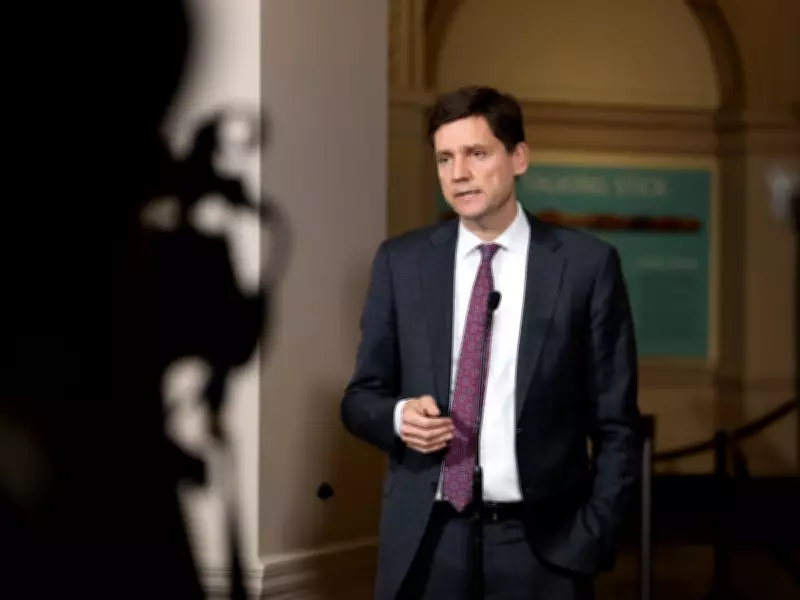
British Columbia Premier David Eby has set a goal to reach an agreement with First Nations by this fall regarding changes to the province's landmark reconciliation legislation, the Declaration on the Rights of Indigenous Peoples Act (DRIPA). In a statement on Monday, Eby described this issue as "probably the most challenging issue I've worked on in government," emphasizing the complexity of navigating Indigenous relations and legal frameworks.
A Collaborative Path Forward
Eby revealed that while his government had the necessary votes to unilaterally amend DRIPA, he chose to pursue a different approach suggested by Attorney General Niki Sharma. This alternative path involves genuine collaboration with First Nations leaders to find mutually acceptable solutions before the fall legislative session. "I believe we had the votes. I believe we were able to do that. But my commitment to British Columbians, to First Nations leaders, and to others is, if there is a path for us to do that together, then I want to take it," Eby explained.
The premier acknowledged that it has taken multiple attempts to address DRIPA appropriately, highlighting the delicate balance between government authority and Indigenous rights. He stressed that moving forward requires careful consideration to avoid confidently heading in the wrong direction, a risk he is keen to mitigate through dialogue.

Background and Legal Challenges
The push for DRIPA revisions stems from a December ruling by the B.C. Court of Appeal in favor of the Gitxaała Nation, which found the Mineral Tenure Act inconsistent with DRIPA. This decision has prompted significant legal concerns for the province, with the government reporting that 20 lawsuits have already been amended following the ruling. Officials warn that without changes to DRIPA, other provincial laws could face similar challenges in court, potentially leading to widespread litigation.
Initially, Eby proposed amendments to DRIPA, but after a meeting with First Nations leaders on April 2, he shifted to suggesting a suspension of most of the act for three years while appealing the court decision. This proposal was met with internal dissent from his caucus and anger from First Nations communities, leading to a reevaluation of the strategy.
Internal and External Pressures
The premier has faced considerable opposition within his own party, with at least 10 MLAs expressing concerns about suspending or amending DRIPA during a caucus meeting on April 11. Notably, Vancouver-Strathcona MLA Joan Phillip, whose husband is Grand Chief Stewart Phillip of the B.C. Union of Indian Chiefs, publicly stated she could not support any changes to the act. This internal tension forced Eby to backtrack on making the DRIPA suspension a confidence vote, underscoring the political sensitivity of the issue.
In response, Eby, along with Attorney General Sharma and Indigenous Relations Minister Spencer Chandra Herbert, held a virtual meeting with First Nations leaders on Sunday. The discussions focused on fostering collaboration to develop solutions promptly, with a clear timeline set for the fall session. This move aims to address both legal vulnerabilities and community relations, balancing provincial interests with Indigenous rights.
Looking Ahead to Fall
As the fall legislative session approaches, all eyes will be on the negotiations between the B.C. government and First Nations. The outcome could set a precedent for how reconciliation laws are handled across Canada, impacting future Indigenous-government partnerships. Eby's commitment to a collaborative path, despite the challenges, reflects a broader effort to uphold reconciliation principles while navigating complex legal landscapes.
The premier's acknowledgment of the difficulty in this process highlights the ongoing struggles in implementing DRIPA effectively. With the fall deadline looming, the success of these talks will be crucial for British Columbia's commitment to Indigenous rights and its legal stability.