

The United States and Iran have reached a tentative agreement to extend the current ceasefire by 60 days and initiate further negotiations regarding Tehran's nuclear program, according to a U.S. source familiar with the matter. This development raises hopes that the three-month conflict may be nearing a resolution.
Details of the Agreement
The source, speaking on condition of anonymity due to the private nature of the discussions, confirmed an earlier report from Axios. President Donald Trump has yet to formally agree to the terms. Both nations have previously indicated progress, with Trump repeatedly suggesting that the U.S. was close to securing an agreement, only for the stalemate to persist.
The tentative memorandum of understanding reportedly states that shipping through the vital Strait of Hormuz would be "unrestricted." Iran would be required to remove all mines from the strait within 30 days, according to the Axios report.

Bessent's Remarks
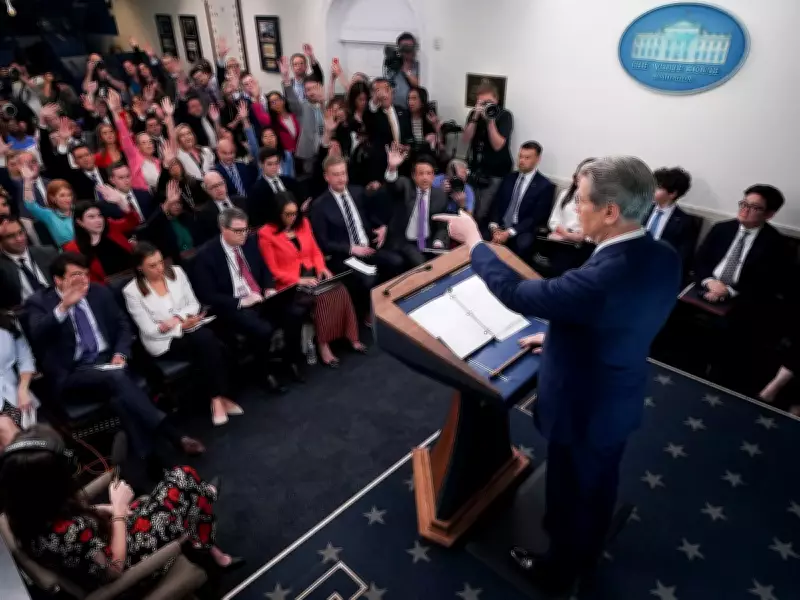
U.S. Treasury Secretary Scott Bessent, during a White House briefing on Thursday, only stated that "the teams have been going back and forth" when pressed on whether an interim deal had been reached. He emphasized that Trump's three "red lines" — reopening the Strait of Hormuz, Iran turning over highly enriched uranium, and ending its nuclear program — remain prerequisites for any final agreement.
"If there can be no deal without those, why would there be a deal without those?" Bessent asked. "Everything depends on what the president wants to do, and President Trump is not going to make a bad deal for the American people, for the U.S."
Background of the Conflict
The U.S. and Iran have maintained a fragile truce since early April, which has been punctuated by isolated military strikes. Axios reported that Trump requested "a couple of days" to consider the agreement.
Fada-Hossein Maleki, an Iranian lawmaker and member of the country's parliamentary commission for national security, stated that negotiations between the U.S. and Iran have shown "significant progress," according to the semi-official Iranian Students' News Agency (ISNA). Maleki noted that the U.S. still must decide on several of Iran's conditions, without providing specifics.
Market Reactions
Oil prices pared gains to trade near US$95 a barrel, having earlier risen after the two sides accused each other of breaching the ceasefire. Stocks and bonds both rallied on the news.
Recent Clashes
The news followed overnight clashes between the U.S. and Iran, with both sides condemning the other for violating the truce. U.S. forces shot down four Iranian drones fired at a commercial ship and hit a launch unit near the Strait of Hormuz, according to a U.S. official. The official described the strikes as defensive and stated that the ceasefire remains intact. Iran targeted the U.S. base from which the assault came, as reported by state-run Press TV.
Bessent also confirmed that there are no plans for Oman to levy tolls on shipments through the key waterway, following Trump's threat to "blow them up" if the ally started charging for transit. The secretary said he had spoken to the Omani ambassador earlier Thursday and received assurances that "there were no plans for tolling the strait."






