Dr. Mehdi Aloosh reflects on the symbolic and practical importance of bridges, particularly for border communities like Windsor. As a newcomer, he was struck by how bridges dominate the skyline, representing livelihoods, identities, and connections. They keep families linked and industries alive.
Recent Events Raise Concerns
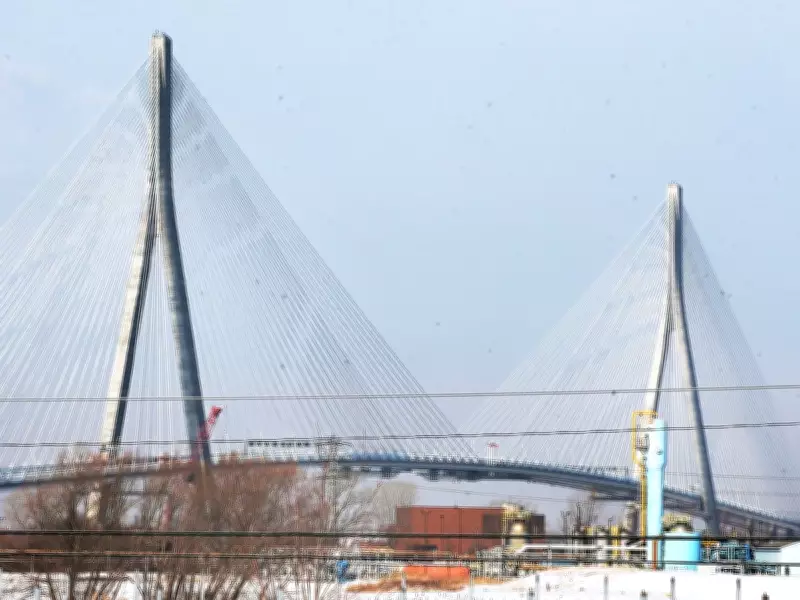
On February 9, U.S. President Donald Trump threatened to block the Gordie Howe International Bridge. On April 2, a U.S. military strike destroyed Iran's largest newly built bridge, an act with enormous symbolic and practical consequences. While these events differ in context, they share a pattern of disconnection—blocking a bridge in peace, destroying one in war. Structures meant for cooperation become symbols of confrontation.
Impact on Windsor
For a border city like Windsor, this raises critical questions. Why does political language often return to cutting ties? The region lives with cross-border policy daily: thousands of workers cross the river for jobs, hospitals rely on binational staffing, the auto sector depends on seamless supply chains, and families are binational. Comments about blocking the Gordie Howe Bridge strike a nerve, and images of a destroyed bridge in Iran give pause. A bridge can quickly be pulled into politics, and communities pay the price when that link is cut.

The Gordie Howe Bridge's Significance
The Gordie Howe Bridge represents decades of diplomacy, planning, and investment. It is a testament to what Canada and the United States can achieve when they choose partnership over posturing. It stands for stability, cooperation, and the belief that bridges—literal and metaphorical—bring people together. However, vigilance is needed. The past months show how easily international relationships can shift. Canada must safeguard diplomacy, respect, and peaceful engagement.
Our bridge is being built; another nation's bridge was destroyed. This contrast should make us think carefully about the world we are entering and the connections we want to protect.
Dr. Mehdi Aloosh is Windsor's medical officer of health. Views expressed are his own.