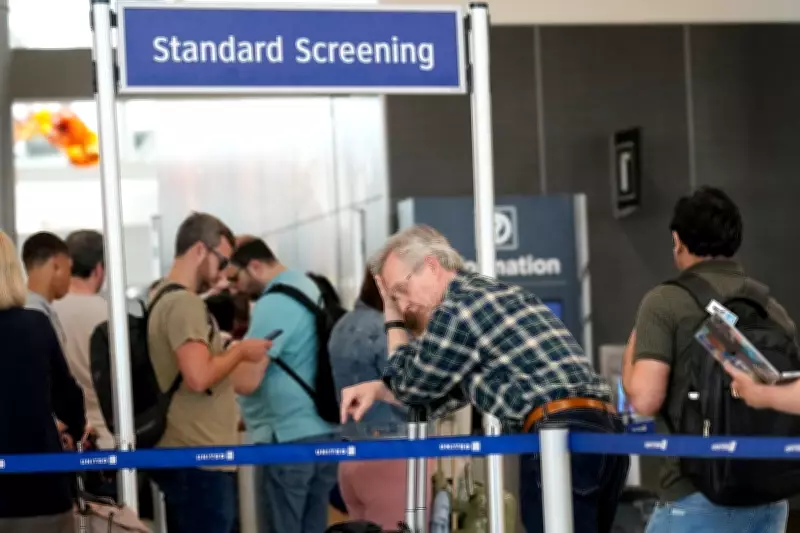
The ongoing partial government shutdown in the United States has created significant disruptions at airports nationwide, with Transportation Security Administration (TSA) agents continuing to work without pay. While there is hope that a resolution may bring back pay for these essential workers, experts warn that airport delays could persist, and Immigration and Customs Enforcement (ICE) agents might not be reassigned from their current duties anytime soon.
Impact on Airport Operations
TSA agents, responsible for screening passengers and ensuring aviation security, have been among the federal employees affected by the shutdown. Despite the lack of compensation, many have reported to work, but morale is low, and absenteeism has increased. This has led to longer wait times and operational challenges at major airports across the country.
Even if pay is restored, delays may not immediately subside, as the backlog of security checks and staffing shortages could take weeks to resolve. Travelers are advised to plan for extra time when flying, as the situation remains fluid.

ICE Agents and Their Role
In addition to TSA issues, ICE agents involved in immigration enforcement have also been impacted. There are concerns that these agents may not be quickly reassigned to other duties or locations, even if the shutdown ends. This could affect border security and immigration processing, adding another layer of complexity to the federal response.
The uncertainty surrounding agent deployments highlights the broader challenges of managing federal resources during a shutdown, with potential ripple effects on public safety and logistics.
Broader Implications
The partial shutdown has underscored vulnerabilities in critical infrastructure, particularly in aviation and border security. Key points include:
- Financial strain on TSA employees, risking long-term retention and recruitment.
- Increased security risks if staffing levels drop further.
- Potential economic impacts from reduced travel efficiency and consumer confidence.
As negotiations continue in Washington, stakeholders are calling for a swift resolution to mitigate these issues and restore normal operations. However, the path forward remains uncertain, with political divisions complicating efforts to end the shutdown.
In summary, while TSA pay may be on the horizon, travelers should brace for ongoing delays, and the status of ICE agents adds another dimension to this complex situation. The full recovery of airport services may require time beyond the shutdown's end.