Trump's Oval Office Confrontation with CNN Reporter Highlights Gendered Attacks
In a heated exchange that unfolded in the Oval Office this week, CNN White House correspondent Kaitlan Collins found herself subjected to a barrage of personal insults from former President Donald Trump. The confrontation occurred as Collins attempted to question Trump about newly released documents related to the Jeffrey Epstein case, a topic that has drawn significant public attention.
The Epstein Question That Triggered the Attack
Collins pressed the president on several critical aspects of the Epstein file release. She specifically asked about the appearance of Trump's allies—including billionaire Elon Musk and Commerce Secretary Howard Lutnick—in the documents, alongside Trump himself who appears thousands of times in the records. The journalist also attempted to steer the conversation toward justice for the victims and survivors of Epstein's crimes.
Rather than addressing these substantive questions, Trump launched into a personal attack against Collins. "You are the worst reporter. No wonder CNN has no ratings, because of people like you," Trump declared, speaking over and interrupting the journalist repeatedly throughout the exchange.

The "Smile" Comment as Sexist Microaggression
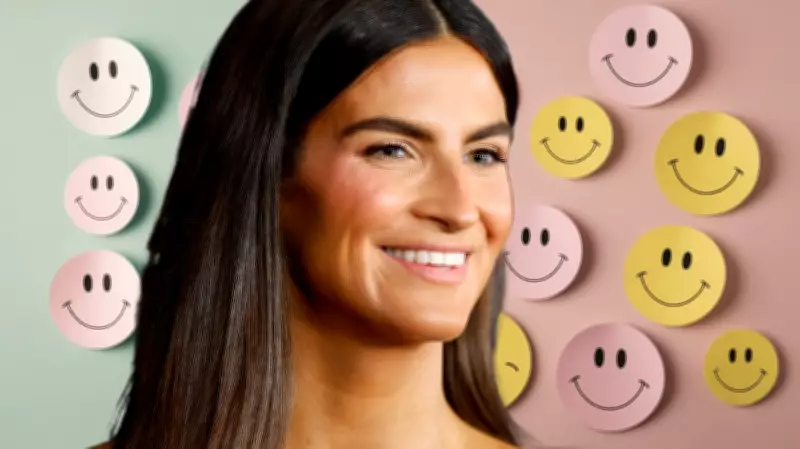
The confrontation took a particularly gendered turn when Trump focused on Collins' facial expressions. "I don't think I've ever seen you smile," Trump continued. "I've known you for 10 years. I don't think I've ever seen a smile on your face. You know why you're not smiling? Because you know you're not telling the truth."
According to psychology experts, this specific criticism represents a classic sexist microaggression. Derald Wing Sue, professor of psychology and education at Columbia University, explained to HuffPost that such comments contain hidden messages that undermine women's professional competence.
"The interaction between Trump and Collins is a complex interaction of gender microaggressions," Sue stated. "The most prominent one is Trump's assertion that he has never seen Collins 'smile.' Such a statement could be made about many male reporters as well. But it has a major impact on women because the meta-communications sent to Collins (and viewers) are: 'Women should be warm, loving, docile, affectionate and show these traits through 'smiles' and outward expressions of friendliness.'"
Deflection Strategy Through Personal Attacks
Experts analyzing the exchange note that Trump's personal attacks serve a clear strategic purpose: to change the subject from uncomfortable questions about his administration's handling of the Epstein case. By attacking Collins' credibility and demeanor, Trump attempts to diminish the legitimacy of the issues she raises.
"So what is happening is an attempt to change the subject by using microaggressive tactics to detract or sidetrack the true conversation," Sue explained. "Also, if you attack the credibility of the person (Collins), the legitimacy of the issue being raised is diminished."
Trump's dismissal of Collins as a "young woman" during the exchange further reinforces gendered power dynamics, suggesting she lacks the experience and knowledge to ask challenging questions.
Broader Pattern of Gendered Harassment in Public Life
This incident fits into a broader pattern of behavior that has characterized Trump's interactions with female journalists throughout his political career. Soraya Chemaly, author of "All We Want Is Everything: How We Dismantle Male Supremacy," notes that such public displays of gendered harassment function similarly to street harassment—they occur in front of witnesses and rely on collective compliance to maintain power structures.
"If you think about the way street harassment works, everybody's witnessing it," Chemaly observed. "We're trained into compliance, right? People know it's happening. They dismiss it or they minimize it, but it still has the effects that it has broadly on women or on minorities."

The Bystander Effect in Political Settings
The Oval Office exchange also highlighted the role of bystanders in such confrontations. Trump looked to others in the room while making his comments about Collins being a "young woman," effectively triangulating against the journalist. The silence or inaction of other reporters and officials present communicates acceptance of such behavior.
Sue emphasized that studies on microaggressions have demonstrated how bystander responses significantly impact perpetrators, targets, and the overall environment. "Inaction on the part of other reporters and viewers on television communicates that such statements are OK and creates a hostile and invalidating environment," Sue noted.
Reinforcing Misogynistic Norms in Public Discourse
Beyond the immediate confrontation, Trump's comments reinforce broader misogynistic norms that seek to limit women's participation in public life. The demand that women perform specific facial expressions—particularly smiles—while engaging in serious journalistic work represents an attempt to enforce traditional gender roles in professional settings.
This incident occurs against a backdrop of increasing public discourse about women's roles in society, with prominent conservatives making comments about traditional gender expectations, voting rights, and women's participation in public life. The exchange between Trump and Collins serves as a stark reminder of how sexist microaggressions function as tools to maintain existing power structures and discourage dissent.
As the 2024 election approaches and Trump seeks another term in office, this confrontation raises important questions about how female journalists will be treated while doing their jobs and what protections exist against such gendered attacks in professional settings.