Trump's Military Strategy in Iran Backfires as Oil Crisis Intensifies
The United States finds itself entangled in a deepening conflict with Iran, with far-reaching consequences emerging as oil shipments through critical maritime routes grind to a halt. President Donald Trump's aggressive military approach, initially designed to force a swift Iranian surrender, appears to be unraveling, leaving the administration scrambling for solutions amid escalating global tensions.
Operation Epic Fury Fails to Deliver Quick Victory
Trump's "war of choice," officially named Operation Epic Fury, was launched with the bold objective of securing unconditional surrender from Tehran through overwhelming force. However, the campaign has not progressed according to plan, revealing a lack of strategic depth beyond the initial assault. The operation involved a coordinated American-Israeli surprise attack that successfully eliminated much of Iran's senior leadership in its opening hour, marking the second such strike during ongoing peace negotiations within a year.
This decapitation of the old regime, however, has produced unintended consequences. Rather than crippling Iranian resistance, it has paved the way for a younger, more determined generation of hardliners to assume control. The new leadership, steeped in revolutionary ideology and battle-hardened from past conflicts, shows no inclination toward seeking peace with the United States or Israel.

Iran's Strategic Shift to Economic Warfare
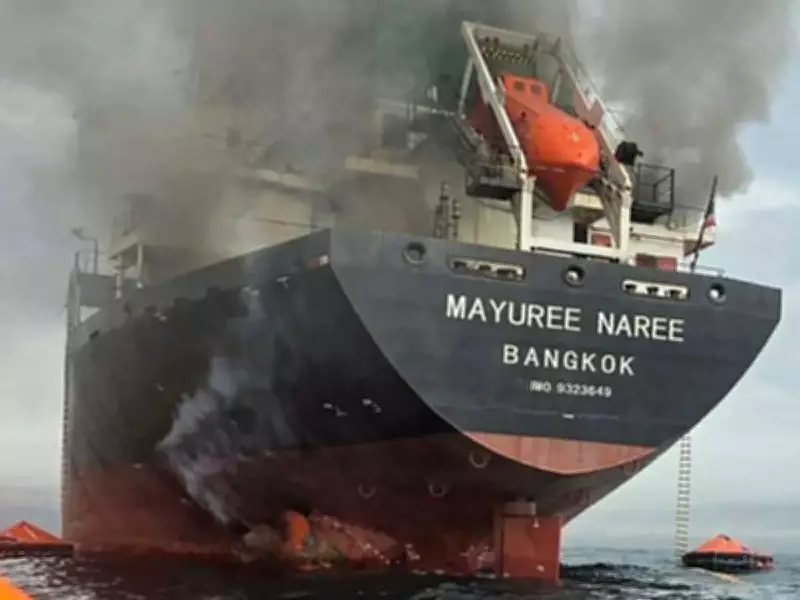
Recognizing their inability to match Western military technology in conventional warfare, Iranian planners have pivoted to economic tactics targeting vulnerable global energy supplies. By blocking the Strait of Hormuz, a narrow chokepoint for maritime traffic, Iran has effectively halted twenty percent of the world's oil and liquefied natural gas shipments from entering or leaving the Persian Gulf.
This strategic move leverages Iran's geographical advantage to inflict maximum economic pain on Western economies dependent on fossil fuels. The resulting supply disruption threatens to trigger significant economic instability, forcing affected nations to reconsider their positions in the conflict.
Historical Parallels and Current RealitiesThe current crisis echoes the oil embargoes of fifty years ago that brought Western economies to their knees, highlighting persistent vulnerabilities in global energy systems. Despite decades of warnings about overreliance on volatile regions for energy supplies, the transition to more secure and sustainable alternatives has progressed slowly, hampered by economic interests and inertia.
French President Emmanuel Macron has proposed a multinational naval operation to reopen the Strait of Hormuz, acknowledging the technical feasibility of such an endeavor. However, the political and military risks involved in confronting Iran directly in these confined waters remain substantial.
Regional Dynamics and Future Prospects
The conflict's human dimension adds further complexity. The killing of numerous civilian protesters in Iranian cities earlier this year has temporarily suppressed internal dissent, but the regime's grip remains firm as long as it appears to be successfully resisting foreign pressure. The cult of martyrdom within Shia Islam, exemplified by the deaths of key figures including family members of the new Supreme Leader Mojtaba Khamenei, has strengthened rather than weakened revolutionary resolve.
Mojtaba Khamenei, a veteran of the Iran-Iraq War who assumed leadership following the attack, represents a generation shaped by conflict and ideological commitment. His background suggests little willingness to compromise with nations he perceives as historical adversaries.
Global Implications and Unanswered QuestionsAs the situation continues to evolve, several critical questions remain unanswered:

- Can Western nations sustain economic pressure while facing energy shortages?
- Will military escalation prove effective against asymmetric Iranian tactics?
- How will global markets adapt to prolonged disruption in oil supplies?
- What diplomatic pathways, if any, remain open for de-escalation?
The Trump administration's initial confidence in a quick resolution has given way to a more protracted and complicated confrontation, with economic warfare emerging as Iran's primary counterstrategy. The coming weeks will test both sides' resilience and strategic adaptability as the conflict enters a dangerous new phase with global implications.