Trump's Viral Dance Moves Ignite Controversy During Middle East Turmoil
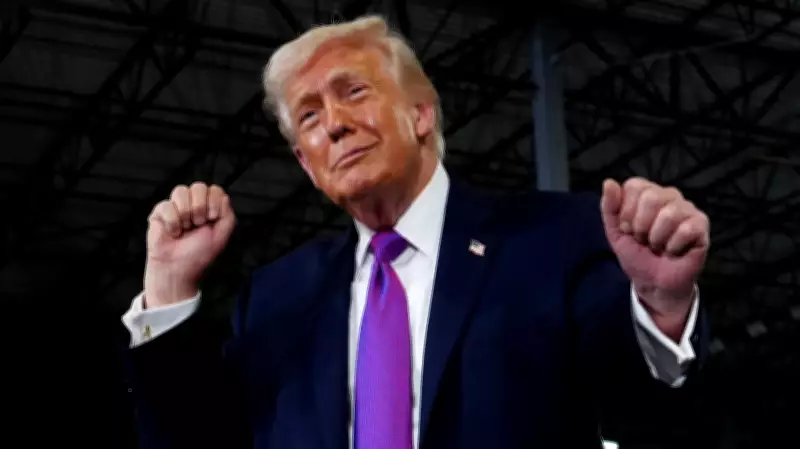
As the Middle East erupts in flames due to the ongoing Iran war, President Donald Trump has sparked a firestorm of criticism with his recent dance performances. Videos capturing Trump enthusiastically fist-pumping to The Village People's classic hit "YMCA" have spread rapidly across social media platforms, drawing comparisons to the infamous legend of Nero fiddling while Rome burned.
Jarring Contrast Between Celebration and Conflict
Critics have highlighted what they describe as a profoundly disturbing disconnect between the president's upbeat demeanor and the grim realities unfolding overseas. While U.S. service members face casualties and the death toll climbs in the Middle East, Trump's celebratory dancing has created what many see as an inappropriate spectacle. The French news network LCI amplified this contrast dramatically with a viral split-screen segment that juxtaposed footage of a burning oil tanker with clips of the president dancing.
Social Media Divided Over Presidential Behavior
The president's dance routine following his address in Hebron, Kentucky, has polarized online discourse. His MAGA supporters have enthusiastically embraced the displays as demonstrations of confidence and strength. Meanwhile, detractors have condemned them as wildly insensitive during a period of international crisis. The controversy intensified when Trump was captured on camera dancing alongside YouTuber Jake Paul, who joined him on stage during the Kentucky rally.

Historical Parallels and Modern Criticism
Observers have drawn uncomfortable parallels between Trump's dancing and historical accounts of leaders displaying indifference during national emergencies. The viral nature of these videos has transformed what might otherwise have been a minor political footnote into a significant cultural moment, reflecting deeper tensions about presidential decorum during wartime. As the conflict in the Middle East continues to escalate, Trump's physical expressions of celebration remain a focal point for debates about leadership, empathy, and appropriate conduct during international crises.