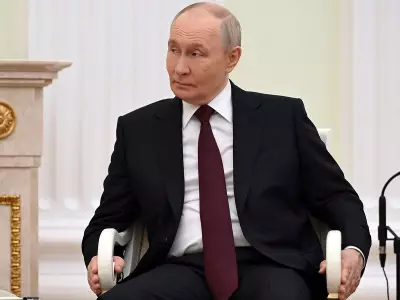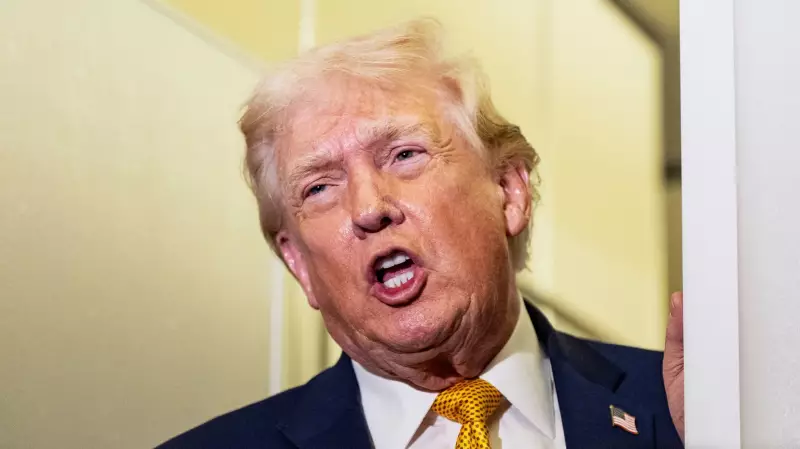
President Donald Trump has publicly contradicted Russian claims that Ukraine targeted a personal residence of Russian President Vladimir Putin in a drone attack. The statement, made to reporters aboard Air Force One, aligns with a U.S. intelligence assessment that disputes the Kremlin's narrative.
U.S. Intelligence Contradicts Kremlin Narrative
On Sunday, while returning to Washington from his Florida home, Trump stated he did not believe the alleged strike on Putin's state residence in the Novgorod region occurred. This followed a determination by U.S. national security officials that Ukraine was not behind the attack, which Russian Foreign Minister Sergey Lavrov described last week.
Lavrov had accused Kyiv of launching a wave of drones at the residence, which he said Russian defenses intercepted. He criticized the timing, alleging it coincided with intensive negotiations to end the war. The claim emerged just a day after Ukrainian President Volodymyr Zelenskyy met with Trump in Florida to discuss a U.S. 20-point peace plan, prompting an immediate denial from Zelenskyy.

Trump's Shifting Stance on the Allegations
Initially, Trump appeared to take the Russian allegations seriously. He told reporters last Monday that Putin raised the issue during a phone call earlier that day, and Trump expressed being "very angry" about the accusation. This reaction raised concerns among some European officials, who viewed the Russian claim as a tactic to undermine peace efforts.
By Wednesday, however, Trump's position had evolved. He shared a link on his social media platform to a New York Post editorial that cast doubt on Russia's story. The editorial criticized Putin for choosing "lies, hatred, and death" at a time when Trump has asserted that a deal to end the conflict is "closer than ever before."
Stalled Peace Efforts and War Objectives
The incident highlights the challenges in Trump's mediation efforts. Both Trump and Zelenskyy reported progress after their talks at the Mar-a-Lago resort on the proposed 20-point peace plan. However, the U.S. president has faced difficulties fulfilling his pledge to quickly end the war and has shown frustration with both Zelenskyy and Putin.
Putin has demonstrated little interest in ending hostilities until all Russian objectives are met. These include securing full control over Ukraine's Donbas region and imposing strict limits on the size and capabilities of a post-war Ukrainian military. The conflicting narratives over the drone attack further complicate an already fragile diplomatic landscape.