President Donald Trump has announced a temporary halt to the United States' initiative to guide stranded commercial vessels out of the Strait of Hormuz, a critical maritime chokepoint for global oil shipments. The decision comes amid ongoing peace negotiations between the U.S. and Iran, with the strait emerging as a key point of contention.
Background of the Strait of Hormuz Situation
The Strait of Hormuz, located between the Persian Gulf and the Gulf of Oman, is one of the world's most strategically important waterways, handling about 20% of global oil transit. In recent months, several vessels have become stranded or faced navigation challenges due to heightened tensions and military posturing in the region. The U.S. had previously deployed naval assets to assist in guiding these ships safely through the strait.
Trump's Announcement
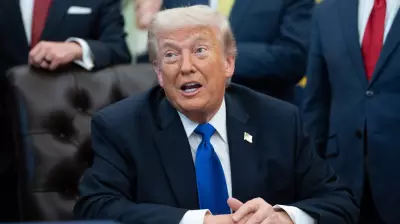
Speaking to reporters on Tuesday, Trump stated, "We have paused our efforts to guide those ships out. We want to see if we can reach a broader peace deal with Iran first." The president emphasized that the pause is temporary and contingent on progress in diplomatic talks. "You can't have both: aggressive military escorts and serious peace negotiations," he added.

Iran's Position
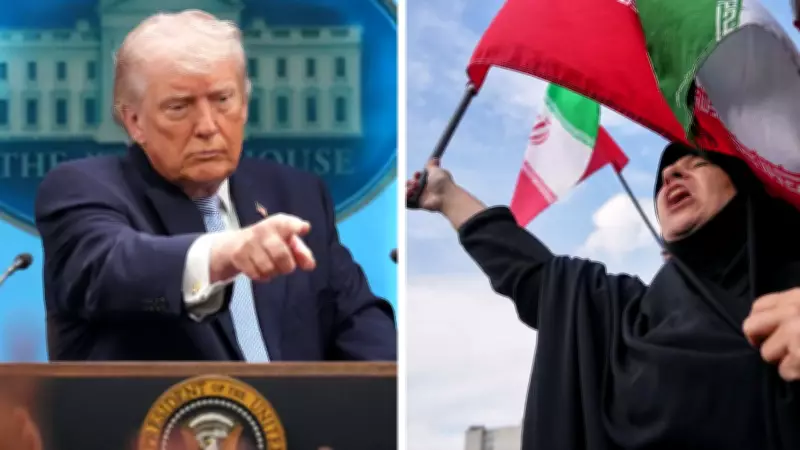
Iranian officials have long argued that the U.S. military presence in the strait is provocative and undermines regional stability. Tehran has called for a mutual reduction of naval forces in the area as part of any comprehensive agreement. The pause in U.S. guidance efforts is seen by some analysts as a goodwill gesture aimed at advancing the peace process.
Reactions and Implications
The announcement has drawn mixed reactions. Supporters of the administration argue that it removes a potential flashpoint and demonstrates a commitment to diplomacy. Critics, however, warn that it could embolden Iran and leave commercial shipping vulnerable. Military analysts note that the strait remains a volatile region, with the potential for accidental collisions or escalations.
Impact on Global Oil Markets
Oil prices experienced slight fluctuations following the news, though traders remain cautious. The Strait of Hormuz is a vital artery for crude oil exports from Saudi Arabia, Iraq, the UAE, and other Gulf states. Any prolonged disruption could have significant economic consequences worldwide.
Looking Ahead
As peace talks continue, the status of the strait will likely remain a central issue. The U.S. and Iran have held several rounds of negotiations, with nuclear programs and regional security also on the agenda. Observers expect that a final deal may include provisions for joint maritime security arrangements in the strait.
In the meantime, the U.S. Navy has assured that it will continue to monitor the situation and provide emergency assistance if needed. The pause applies only to the proactive guidance of stranded vessels, not to broader maritime security operations.