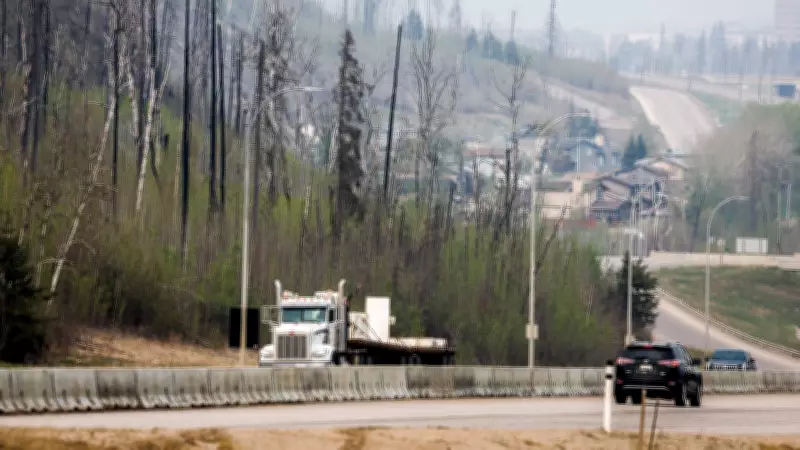
Ten years ago, the Fort McMurray wildfire forced nearly 90,000 people to evacuate, serving as a wake-up call for wildfire management authorities in Alberta. Since then, significant improvements have been made in the province's wildfire response, including enhanced funding, advanced technology, and revised evacuation protocols.
Lessons from the Fort McMurray Fire
The 2016 wildfire, known as the Horse River Fire, destroyed over 2,400 homes and structures, causing billions of dollars in damage. It highlighted critical gaps in communication, resource allocation, and community preparedness. In response, the Alberta government conducted a comprehensive review and implemented sweeping changes.
Funding and Resources
Alberta has increased annual wildfire management funding by over 50% since 2016, now exceeding $200 million. This includes investments in new firefighting aircraft, such as the C-130 Hercules air tankers, and expanded helicopter fleets. The province also established a dedicated wildfire reserve fund to ensure rapid response during severe seasons.

Technology and Detection
Advanced technologies have been deployed, including AI-powered fire detection systems using satellite imagery and drone surveillance. The Alberta Wildfire app now provides real-time updates and evacuation alerts to residents. Predictive modeling tools help forecast fire behavior, allowing for proactive resource positioning.
Community Preparedness
Evacuation plans have been overhauled, with clear routes and communication protocols. FireSmart programs have expanded, encouraging homeowners to create defensible spaces. Over 200 communities have developed local wildfire protection plans, and regular drills are conducted.
Collaboration and Training
The province has strengthened partnerships with federal agencies, Indigenous communities, and international firefighting teams. Training programs for firefighters have been enhanced, including specialized courses in urban interface fires. Mutual aid agreements with other provinces ensure additional resources when needed.
Despite these improvements, challenges remain. Climate change is lengthening fire seasons and increasing fire intensity. Officials emphasize that while progress has been made, continuous adaptation is necessary to protect lives and property.