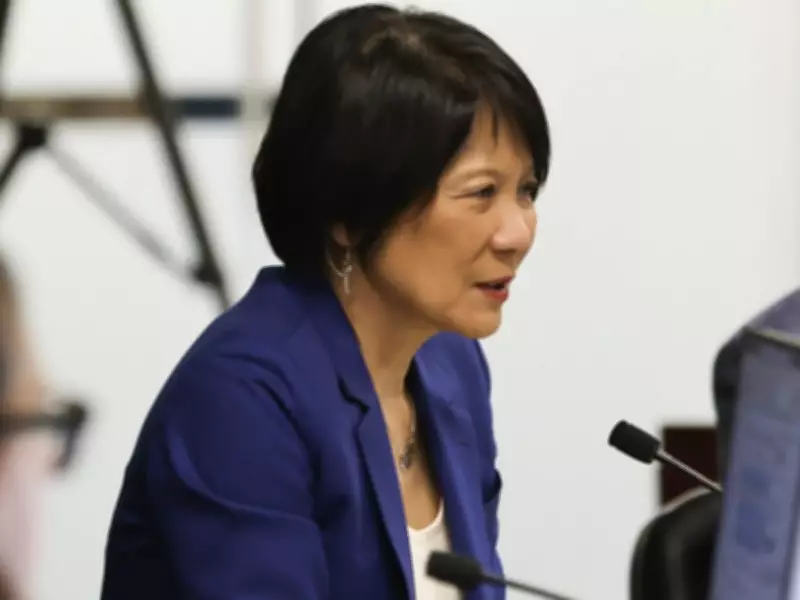
In The Adventure of the Empty House, Sherlock Holmes re-emerges to solve a murder by catching the killer in an empty house. Today, Toronto faces a far less thrilling mystery: the Vacant Home Tax, a policy that penalizes homeowners for leaving properties unoccupied. This tax, championed by Mayor Olivia Chow, charges 3% of a property's assessed value unless it is occupied for at least six months of the year. But as Matthew Lau argues, this approach is both punitive and ineffective.
A Brief History of the Tax
Introduced in 2022 at 1%, the tax was tripled to 3% in 2024 after a 21-2 council vote. Mayor Chow stated, "No one should be keeping a home empty during this housing crisis." However, attempts to cancel or pause the tax were overwhelmingly rejected.
Why the Tax Is Flawed
Lau contends that homes are private property, not public assets. Owners should have the freedom to use their property as they see fit, whether living in it, renting it out, or leaving it empty. He draws a parallel to cars: no one suggests a "vacant car tax" to redistribute vehicles from infrequent drivers to those who need them more.

Economist Jack Mintz warns that such taxes could reduce housing stock by discouraging developers from investing in residential property. In Vancouver, the tax reduced vacancies by only 0.19% of the rental stock, a negligible effect.
Real-Life Scenarios Ignored
Many homeowners have valid reasons for leaving properties empty for extended periods: major renovations, slow home sales, or severe illness. The tax penalizes these situations, effectively taxing mobility and personal hardship.
A Better Path Forward
Instead of punitive taxes, Lau suggests addressing housing affordability by reducing approval times and development fees. Toronto homebuilders wait over two years for approvals, three times longer than in Vancouver, and highrise developments face charges triple those in Ottawa. These barriers drive up costs for buyers.
City hall should end its misadventure with the empty house tax and focus on policies that truly improve affordability and livability.