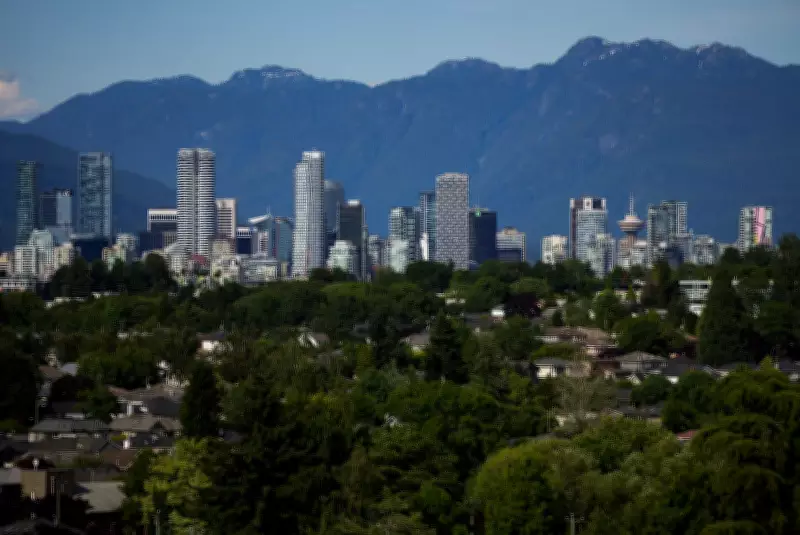
A Vancouver homeowner has lost her court bid to overturn the city's Empty Homes Tax, which she described as a 'continuous nightmare.' The decision, handed down on May 5, 2026, upholds the tax aimed at increasing housing supply by penalizing vacant properties.
Legal Challenge Dismissed
The homeowner argued that the tax was unconstitutional and unfairly targeted her property. However, the court ruled in favor of the city, stating that the tax falls within municipal jurisdiction and serves a legitimate public purpose. The judge noted that the homeowner failed to prove that the tax was arbitrary or confiscatory.
City Defends Policy
Vancouver officials welcomed the ruling, emphasizing that the Empty Homes Tax is a key tool to address the housing crisis. Since its implementation, the tax has generated millions in revenue, which is reinvested into affordable housing initiatives. The city estimates that thousands of previously vacant units have been returned to the rental market.

The homeowner, who has owned the property for decades, claimed she was unable to rent it out due to personal circumstances. She expressed frustration with the bureaucracy and the financial burden of the tax, which amounts to thousands of dollars annually.
Broader Context
Vancouver's Empty Homes Tax, introduced in 2017, applies to residential properties that are not occupied for at least six months of the year. Rates have increased over time, with the current levy set at 3% of the property's assessed value. Similar taxes have been adopted in other Canadian cities, including Toronto and Ottawa, as part of efforts to cool overheated housing markets.
Critics argue that the tax unfairly penalizes homeowners who may have legitimate reasons for leaving properties vacant, such as renovations or extended travel. Supporters counter that the policy is necessary to combat speculation and increase rental availability in one of Canada's most expensive cities.
The homeowner has not indicated whether she will appeal the decision. Meanwhile, city officials continue to monitor compliance and enforce the tax, which remains a contentious issue among property owners.